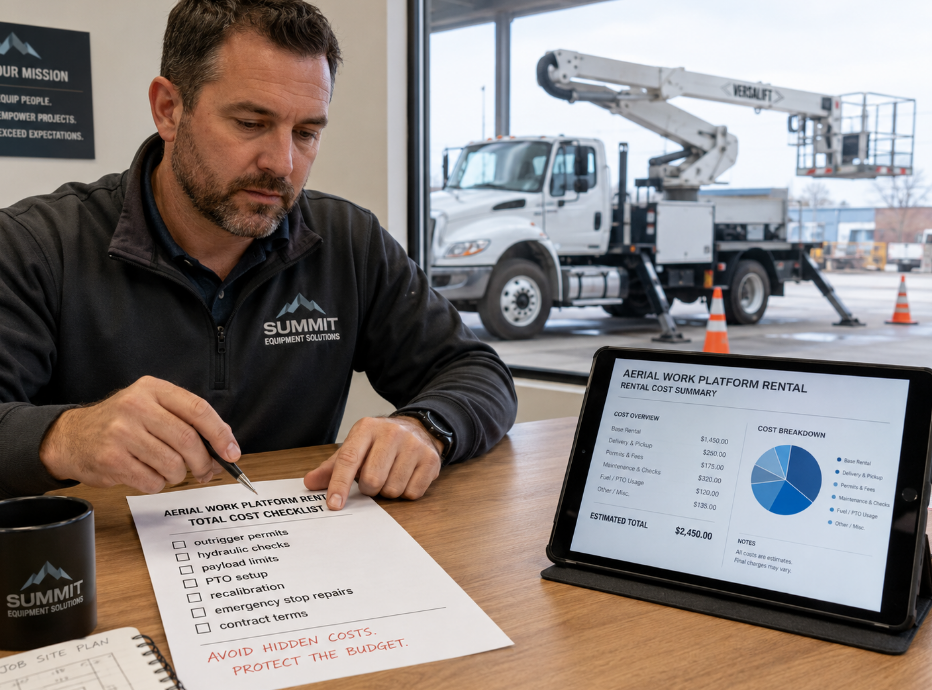
Renting looks cheap—until the hidden costs bite. Smart buyers eye a solid aerial work platform truck supplier before budgets bleed.
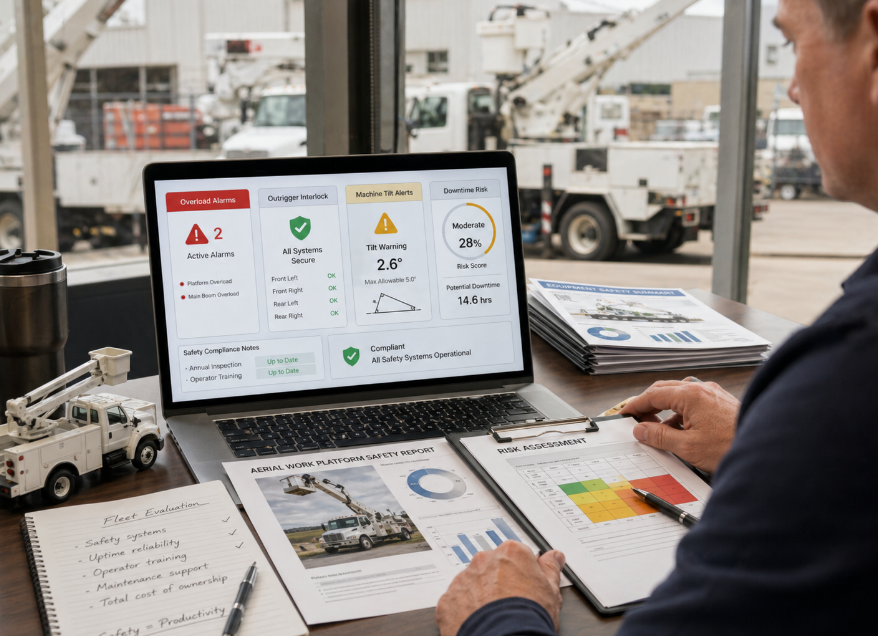
Renting an aerial work platform truck looks cheap on paper, but the meter keeps running long after the contract is signed.
Outrigger permits, hydraulic checks, surprise downtime fees—suddenly your budget is bleeding cash.
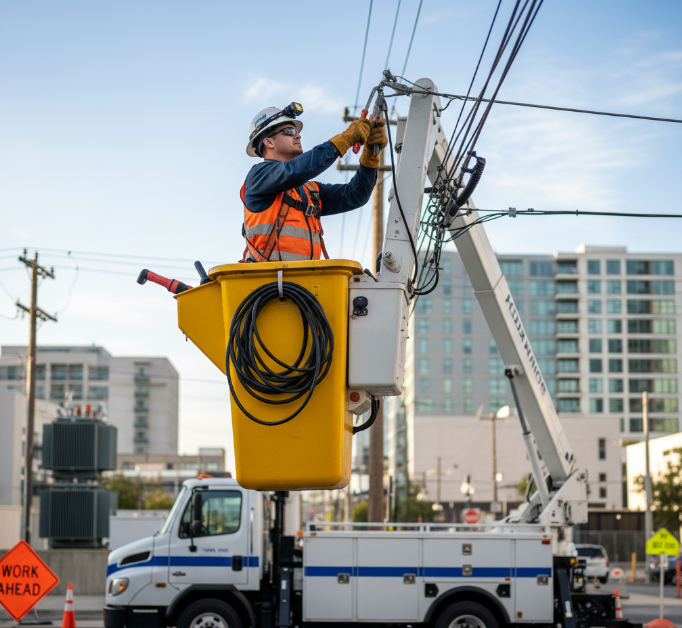
In 2025 safety bulletins, OSHA and aerialplatformtruck manufacturers warn that improper stabilization, overload violations, and skipped inspections trigger citations and repairs, a reality fleet managers acknowledge in compliance briefings.
Breakdown Of Additional Costs For Boom Lift Trucks
Running an aerial work platform truck isn’t just about fuel and operator wages.
3 Hidden Fees To Watch In Aerial Work Platform Truck Hire
Hiring an aerial work platform truck looks simple on paper, but small technical details can quietly bump up the bill.
Avoid Unexpected Penalties With Clear Aerial Equipment Contracts
Clear contracts keep your aerial work platform truck project from turning into a paperwork headache.
Breakdown Of Additional Costs For Boom Lift Trucks
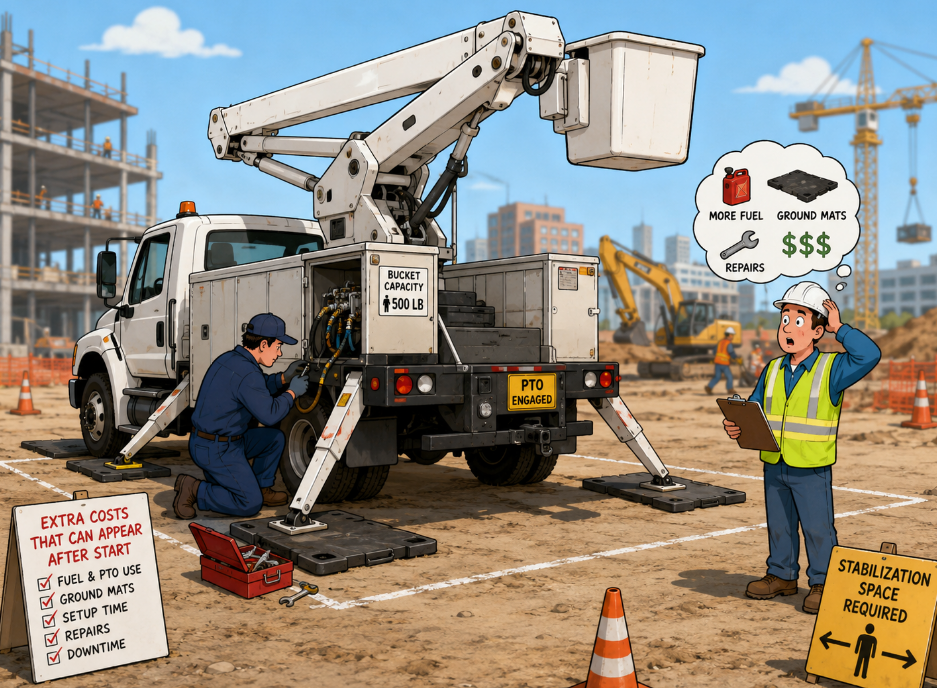
Running an aerial work platform truck isn’t just about fuel and operator wages. Extra charges sneak in fast, especially when your aerial work, platform access, and truck setup meet real-world jobsite rules.
Outrigger Footprint Fees on Construction Sites
When an aerial work platform truck rolls onto a busy construction site, the outrigger setup changes everything.
Site Assessment Phase
1.1 Ground bearing checks
1.2 Required stabilization area measurements
1.3 Permit review for extended footprint
Access & Surface Protection
2.1 Ground mat rental fees
2.2 Surface repair bonds
2.3 Restricted zone access charges
Long-Reach Operations
3.1 Horizontal outreach increases footprint radius
3.2 Larger stabilization zones mean lost workspace
3.3 Shared construction site penalties for blocking trade routes
Contractors often forget that wider outriggers equal higher overhead. On tight urban builds, that extra area can cost more than the daily truck rate.
Hydraulic System Inspection & Service Charges
The hydraulic system keeps the aerial work platform truck moving smoothly. Skip inspection, and repair bills stack up fast.
Preventive Maintenance
1.1 Fluid sampling and fluid replacement
1.2 Pressure testing of hoses and components
1.3 Seal and valve wear checks
Scheduled Service Intervals
2.1 250-hour maintenance review
2.2 500-hour advanced inspection
2.3 Annual turret rotation calibration
Corrective Actions
3.1 Leak tracing
3.2 Pump repair
3.3 Cylinder rebuild
A truck-mounted aerial lift with neglected hydraulic parts won’t just slow down—it can shut a job down.
Did You Factor in Chassis Payload Overload Penalties?
Overloading the chassis of an aerial work platform truck is a quick way to burn cash.
Regulatory Exposure
1.1 Exceeding payload capacity
1.2 Breaking weight distribution rules
1.3 Violating transport regulation
Financial Impact
2.1 Roadside penalty fines
2.2 Insurance claim disputes
2.3 Accelerated structural wear
Safety Risks
3.1 Compromised braking
3.2 Frame fatigue
3.3 Platform instability
A solid spec match—like units offered by Aerialplatformtruck—helps avoid overload drama before it starts.
Unexpected PTO Setup and Removal Costs
The PTO drives the boom, but setup isn’t plug-and-play.
Initial Installation
1.1 Gearbox alignment
1.2 Power take-off shaft fitment
1.3 Hydraulic pump connection
Calibration & Testing
2.1 RPM matching to engine drive
2.2 Load simulation checks
Decommissioning
3.1 Removal labor hours
3.2 Drivetrain modification reversal
3.3 Downtime costs
An aerial work platform truck built with factory-ready PTO integration—such as configurations from Aerialplatformtruck—can trim those surprise labor bills and keep your aerial work moving without the headache.
3 Hidden Fees To Watch In Aerial Work Platform Truck Hire
Hiring an aerial work platform truck looks simple on paper, but small technical details can quietly bump up the bill. From setup tweaks to safety electronics, every aerial, work, platform, and truck component matters when you rent an aerial work platform truck for real jobsite action.
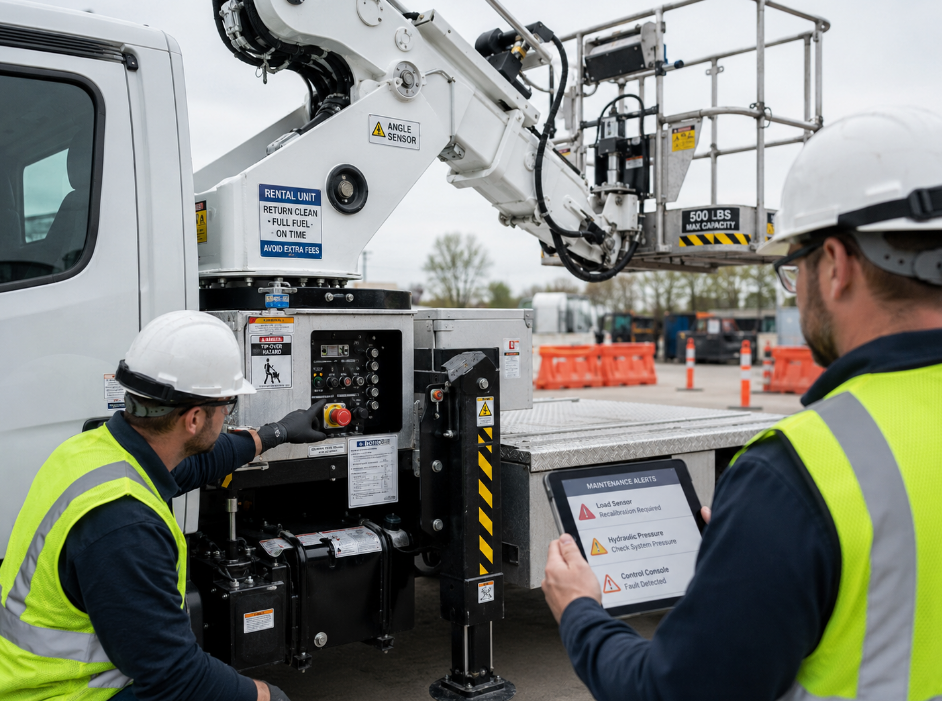
Outrigger System Re-Positioning Fee
When an aerial work platform truck arrives onsite, the Outrigger System setup is rarely a one-and-done deal. Extra Re-positioning and Adjustment often show up on the invoice.
Initial Setup
Horizontal outreach test
Vertical height lock
Soil check for Stability
Pad placement under each Outrigger
Ground leveling
Boom angle calibration
Mid-Task Re-positioning
Moving the Platform for façade access
Rotating the Truck body for bridge or telecom lines
Resetting Stability sensors after load shift
Cost Drivers
Extra labor hours
Traffic control delays
Night shift relocation fees
Frequent repositioning of your aerial work platform truck during site changes can easily add labor surcharges. With Aerialplatformtruck, operators are trained to minimize repeat Adjustment cycles, keeping your aerial lift truck steady and your budget under control.
Load Sensing Device Recalibration Charge
The Load, Sensing, and Device system keeps the aerial work platform truck from tipping. If the Sensor detects imbalance or Overload, recalibration ensures Accuracy and Safety.
Typical recalibration benchmarks:
| Parameter | Standard Range | Recalibration Trigger | Avg. Cost (USD) |
|---|---|---|---|
| Platform Load | 80–100% rated | Overload alarm | 180–350 |
| Boom Angle Sensor | ±0.5° | Drift >1° | 120–260 |
| Hydraulic Pressure | Within OEM spec | 10% deviation | 150–300 |
| Anti-Overturn System | Full response | Fault code | 200–400 |
Heavy-duty use of an aerial work platform truck on construction access jobs can shift calibration. A bucket truck that skips this step risks shutdown. Regular Recalibration protects the work platform truck and avoids bigger downtime losses.
Emergency Stop Component Replacement Toll
Damage to the Emergency Stop switch is no small thing. One cracked Component can freeze the entire aerial work platform truck.
Common replacement triggers:
Jammed red Control button
Water-damaged wiring
Broken operator presence sensor
Quick notes:
Minor Repair may cost less than full Replacement.
Ignoring a Malfunction can void insurance coverage.
Safety inspections flag faulty stop systems fast.
A reliable aerial work platform truck depends on that single stop switch working every time. Keeping the control console clean and dry sounds basic, yet it saves serious money. In short, hidden fees often tie back to overlooked safety details.
Avoid Unexpected Penalties With Clear Aerial Equipment Contracts
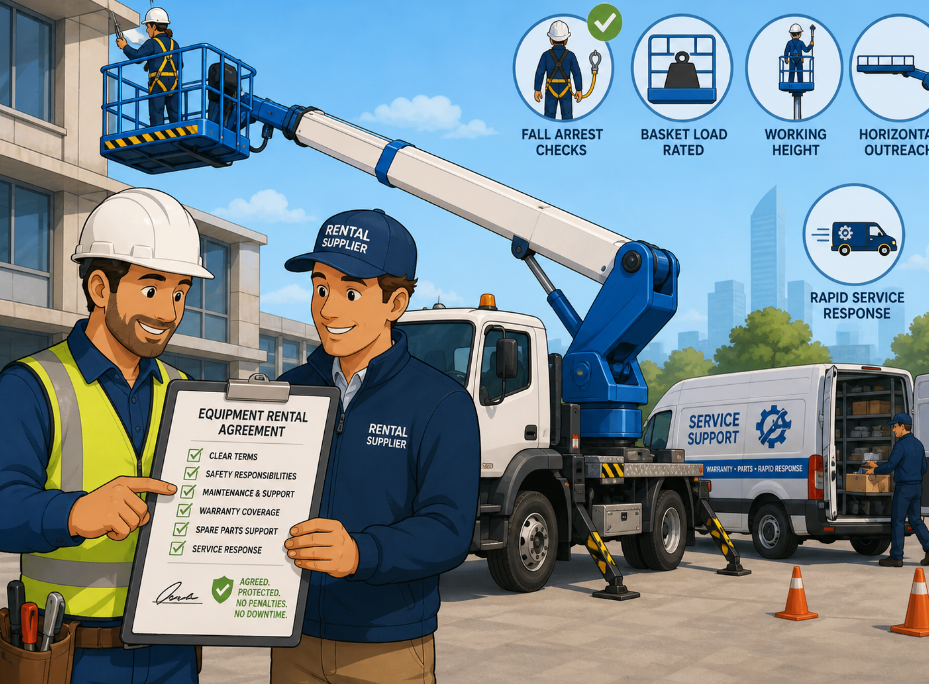
Clear contracts keep your aerial work platform truck project from turning into a paperwork headache. When rental terms match real jobsite conditions, your aerial work, platform reach, and truck limits stay aligned. Smart details now save serious money later.
Key Clauses on Working Height and Horizontal Outreach
When drafting contract terms for an aerial work platform truck, spell out the machine’s operational limits in plain numbers, not vague phrases.
Define rated capabilities
1.1 Platform height (maximum vertical reach in meters)
1.2 Outreach capacity (horizontal extension under load)
1.3 Rotation limits and equipment dimensions
Confirm site compatibility
2.1 Required stabilization footprint
2.2 Ground bearing pressure
2.3 Clearance near power lines under safety regulations
Match job scope to reach specifications
3.1 Building facade height
3.2 Offset distance from truck parking position
3.3 Required tool load on platform
| Parameter | Standard Range | Contract Entry Example |
|---|---|---|
| Max Platform Height | 18–42 m | 28 m |
| Horizontal Outreach | 10–25 m | 16 m |
| Max Basket Load | 200–400 kg | 250 kg |
| Stabilizer Width | 3.2–5.5 m | 4.0 m |
Small numbers matter. A 2-meter outreach gap can void coverage fast. When renting from Aerialplatformtruck, confirm every aerial work platform truck spec is written clearly so your crew never pushes beyond rated design.
Clarify Liability for Fall Arrest System Failures
Risk gets real once workers leave the ground. Your agreement for the aerial work platform truck must detail liability allocation for fall protection systems and connected safety equipment.
Inspection responsibility
1.1 Daily harness checks
1.2 Anchor point verification
1.3 Documentation logs
Compliance confirmation
2.1 CE marking validity
2.2 ANSI standard alignment
2.3 Operator certification records
Incident response
3.1 Reporting timeline
3.2 Insurance notification
3.3 Allocation of legal responsibility
If a system malfunction occurs, the contract should clearly state who covers repair costs, downtime, and insurance coverage claims. Clear writing supports real accident prevention, not just paperwork.
Spare Parts Availability and Warranty Coverage Terms
Downtime hurts. A grounded aerial platform truck on a busy site burns cash daily.
Structure your agreement around:
Spare parts supply chain
1.1 Local stock availability
1.2 Import lead time
1.3 Critical hydraulic seal inventory
Warranty period clarity
2.1 Coverage duration (months or hours)
2.2 Excluded wear items
2.3 PTO and pump coverage
Service agreements and repair flow
3.1 Response time (24h / 48h)
3.2 On-site technician access
3.3 Approved component replacement standards
Spell out the maintenance schedule, repair clauses, and guarantee terms for every aerial work platform truck in your fleet plan. Trusted suppliers like Aerialplatformtruck typically outline hydraulic system service cycles and documented component replacement intervals, which keeps your aerial work truck moving instead of parked.
FAQ
What hidden costs appear after buying an aerial work platform truck?
Purchase price is only the opening scene; the real story unfolds in operation. Common hidden costs include hydraulic system service such as fluid replacement, hose inspection, and leak testing, plus power take-off (PTO) setup on a diesel engine, which may create labor time and downtime. Buyers may also face outrigger system requirements, including ground mats and expanded stabilization footprint permits, as well as load sensing device recalibration after heavy construction site access work. If chassis payload limits are ignored, structural fatigue increases and insurance disputes may follow. A truck-mounted boom lift demands disciplined upkeep, not casual ownership.
Why do rental costs for a cherry picker truck vary so much?
Two rental quotes can look similar yet feel worlds apart. A base rate may cover only the vehicle-mounted platform, while add-ons often include emergency stop repairs, control console diagnostics, or turret rotation adjustments. Some suppliers bundle hydraulic system maintenance and operator training; others invoice per incident. For utility maintenance or tree care operations, high working height and horizontal outreach models cost more due to platform capacity and rotation range demands. The details shape the final bill.
How can buyers avoid safety compliance penalties on site?
On a busy bridge inspection or power line repair, safety gaps surface fast. Buyers should confirm the fall arrest system meets ANSI compliance and CE certification, test the emergency stop and operator presence sensor before each shift, and verify anti-overturn system calibration matches actual platform dimensions and chassis payload. A single overlooked control console fault can halt a project. Safety features are not decorations; they guard both crew and contract.
What should be confirmed in large fleet purchase contracts?
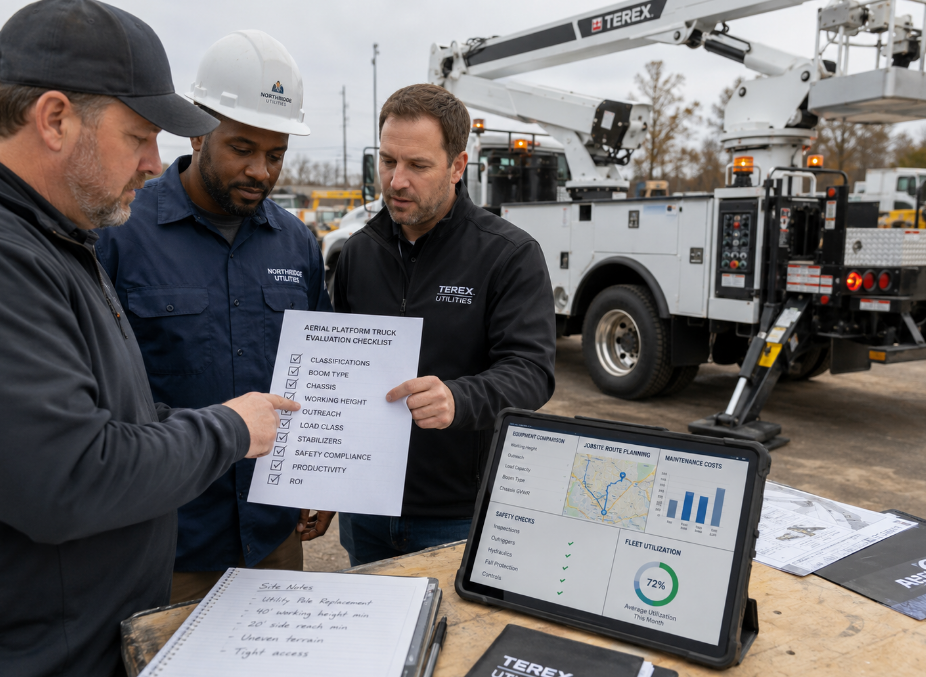
A fleet of articulating boom lifts or telescopic boom lifts ties capital to long-term performance.
| Area | What to Clarify |
|---|---|
| Performance | Working height, horizontal outreach, platform capacity |
| Structure | Boom arm structure durability, rotation range limits |
| Power | Diesel engine, electric drive, or hybrid power system options |
| Support | Warranty coverage, spare parts availability, after-sales service response time |
Clear maintenance schedules and technical support terms protect uptime during telecommunications installation or street light servicing. A strong contract keeps the high reach platform earning, not idling.