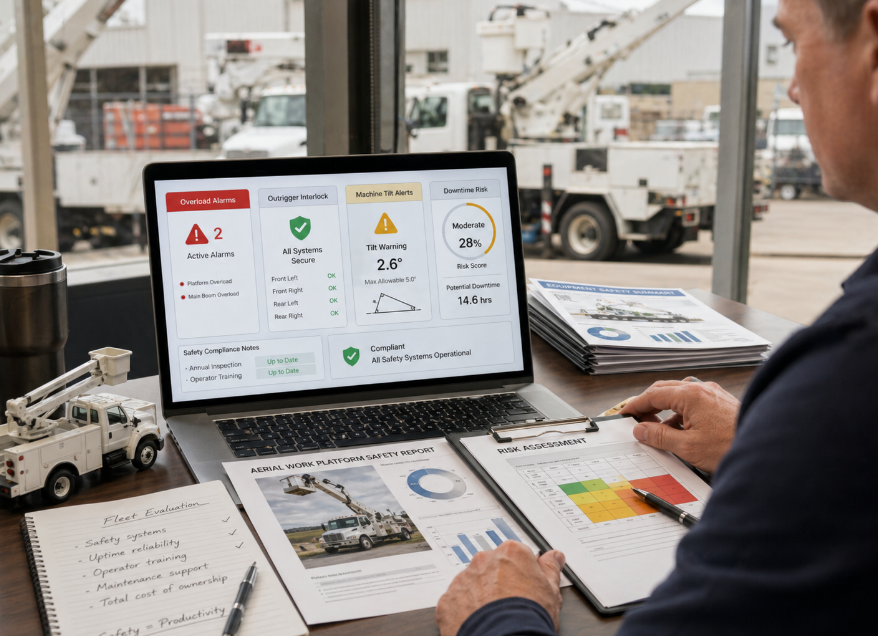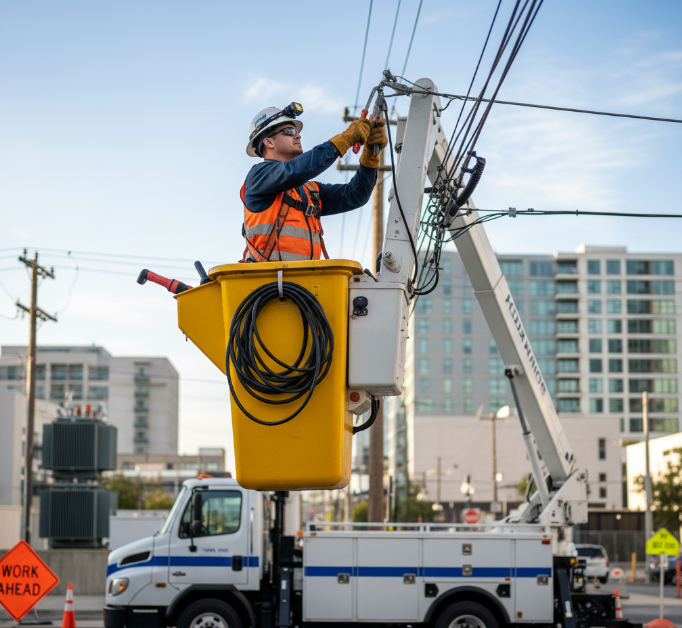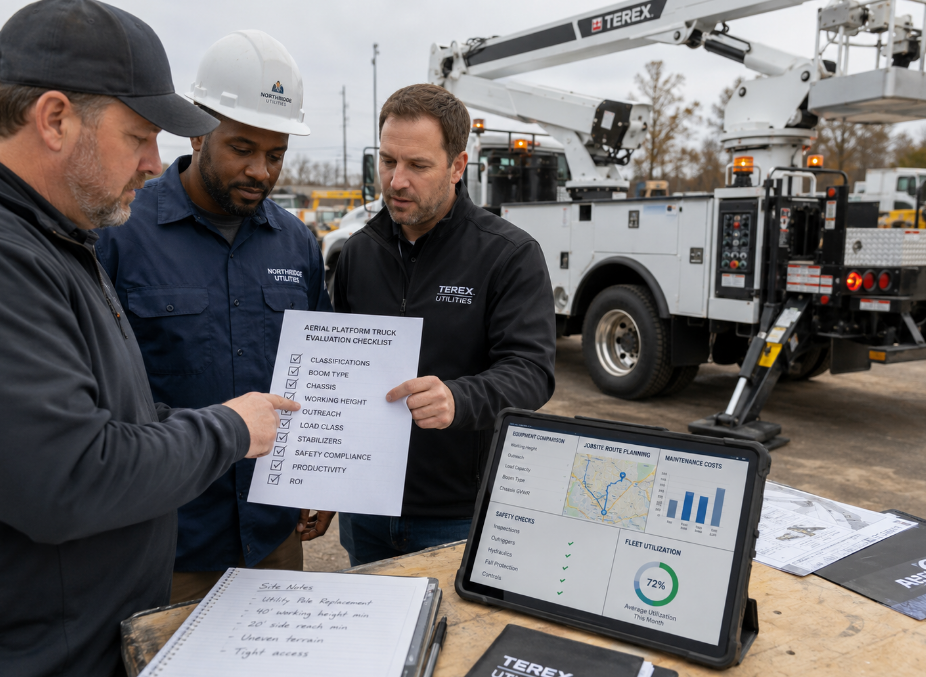
Deadlines slipping and crews stuck? The right aerial platform truck keeps projects moving, cuts downtime, and tames runaway costs fast.
An aerial platform truck isn’t equipment; it’s what keeps crews working when job sites stack up and deadlines start slipping.
IBISWorld reports steady demand from construction and utilities, with buyers favoring mobile lifting solutions that cut downtime and meet safety expectations.
Pick wrong, and costs snowball fast.
Harmonic Keynotes for Aerial Platform Truck Mastery
Understand Classifications
From self-propelled scissor lifts to truck-mounted telescopic booms, select based on reach, mobility, and load capacity.
Compare Types
Articulating booms excel in tight spaces; telescopic booms deliver maximum outreach; scissor lifts offer simple vertical access.
Match Load Class
Light-duty (<1,000 kg) for inspections, medium-duty (1,000–3,000 kg) for general construction, heavy-duty (>3,000 kg) for large-scale projects.
Maximize ROI
Leverage truck-mounted platforms for rapid deployment, safety compliance, and cross-site versatility to cut costs and boost productivity.
What Are Aerial Platform Truck Classifications?
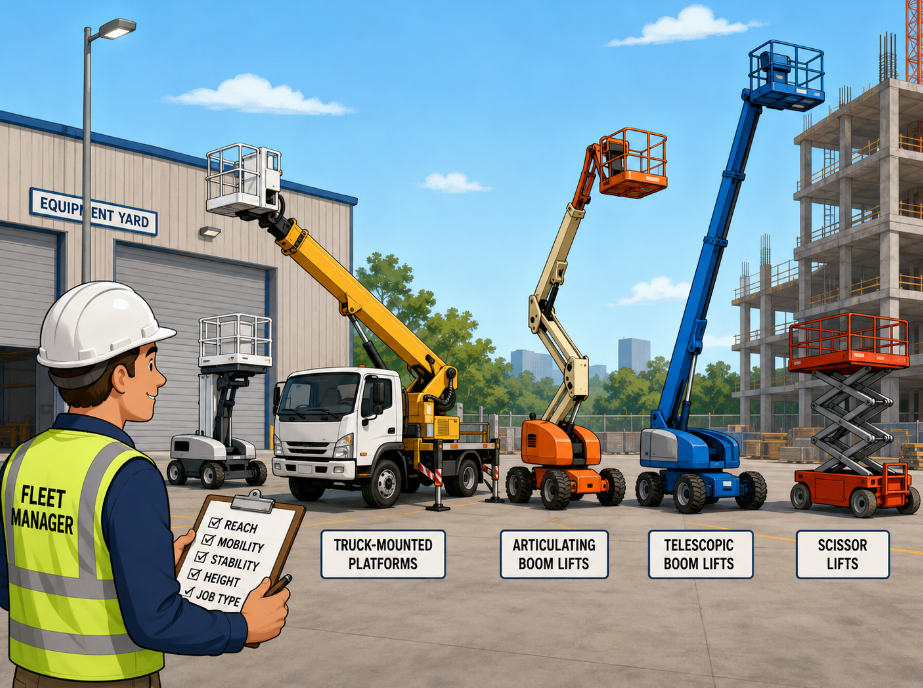
An aerial platform truck isn’t a one-size-fits-all machine. From indoor facility work to high-reach outdoor maintenance, each aerial platform, truck platform lift, or boom vehicle fits a specific job style. Knowing how an aerial platform truck is classified helps buyers match reach, mobility, and stability to real work demands.
Self-Propelled vs. Truck-Mounted Aerial Platforms
Classification often starts with mobility and chassis design.
According to Allied Market Research’s 2025 equipment outlook:
“Truck-mounted aerial platforms continue to gain share in municipal and utility fleets due to their combined mobility and extended height performance.”
Brands like Aerialplatformtruck refine both formats, giving each aerial platform truck stronger mobility and job-ready flexibility.
Articulating Boom Lifts: Reaching Around Obstacles
The defining trait is the articulating structure with a jointed arm.
Classification layers include:
Because the boom bends instead of extending straight, boom lifts in this class suit crowded construction sites. Many aerial platform truck buyers choose articulating boom lifts when straight-line access just won’t cut it.
Telescopic Boom Lifts: Maximum Outreach and Height
This class focuses on straight-line extension.
When mounted on an aerial platform truck, telescopic boom lifts shine in open environments—bridges, wind farms, stadium builds. Fewer bends mean fewer movement adjustments. The result? Faster positioning and cleaner vertical access for large-scale work.
Scissor Lifts: Simple Vertical Access
Unlike boom lifts, scissor lifts move strictly upward.
Common in warehouses and malls, this aerial work platform classification prioritizes balance over outreach. For buyers comparing aerial platform truck options, scissor-based truck platforms handle straight-up lifting tasks with steady performance and fewer moving angles.
An aerial platform truck lineup typically blends all four categories, giving contractors practical choices instead of guesswork.
Picking between a boom lift and an aerial platform truck isn’t just tech talk. It’s about reach, speed, and how your crew gets the job done without hassle.
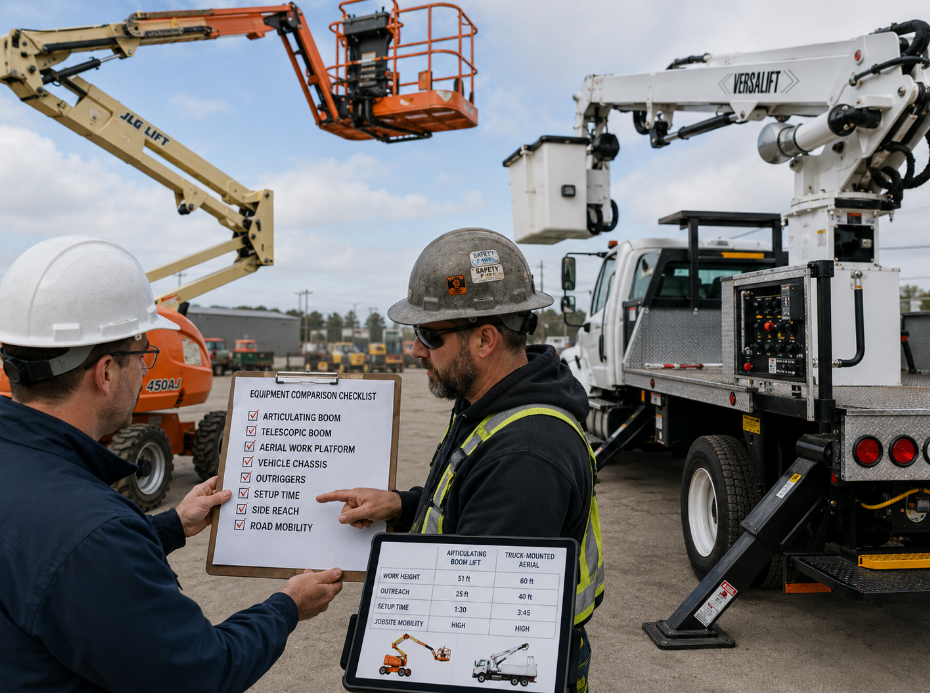
Boom Lift
A boom lift centers on flexibility and controlled elevation. Under the hood and above the frame, key elements shape performance:
Quick facts:
It’s compact, nimble, and built for tight spots where a full platform truck might feel oversized.
Truck-Mounted Aerial Platform Truck
An aerial platform truck combines lift power with road mobility. Built on a vehicle chassis, it integrates an aerial device, hydraulic system, and rear work platform.
Performance comparison snapshot:
| Model Type | Max Work Height (m) | Side Reach (m) | Setup Time (min) | Stabilizers Type |
|---|---|---|---|---|
| Standard Bucket truck | 18 | 12 | 6 | Manual |
| Insulated boom unit | 20 | 14 | 8 | Hydraulic |
| Utility truck heavy-duty | 28 | 18 | 10 | Hydraulic |
| Compact platform truck | 16 | 10 | 5 | Manual |
| Aerialplatformtruck premium | 32 | 20 | 9 | Hydraulic |
How it operates in the field:
For utilities, signage, and telecom, the aerial platform truck wins on speed between locations. Aerialplatformtruck models stand out for balanced reach and transport efficiency. If daily routes matter, a truck-mounted aerial platform simply makes life easier.
3 Platform Truck Load Classes
Choosing the right aerial platform truck isn’t just about lifting height; load class changes everything. From tight indoor runs to rough industrial yards, each capacity tier shapes how the aerial platform, lift platform truck, or truck-mounted platform performs day to day.
Light-Duty Class (Under 1,000 kg)
Light-duty aerial platform truck models focus on small loads and quick mobility. In places like retail stores, office environment settings, and small warehouses, operators value smooth movement over brute strength.
Key characteristics:
For buyers comparing an aerial work platform truck for indoor tasks, this class keeps costs down and flexibility high. Aerialplatformtruck models in this range are often chosen by facility managers who need reliable daily lifting without overkill capacity.
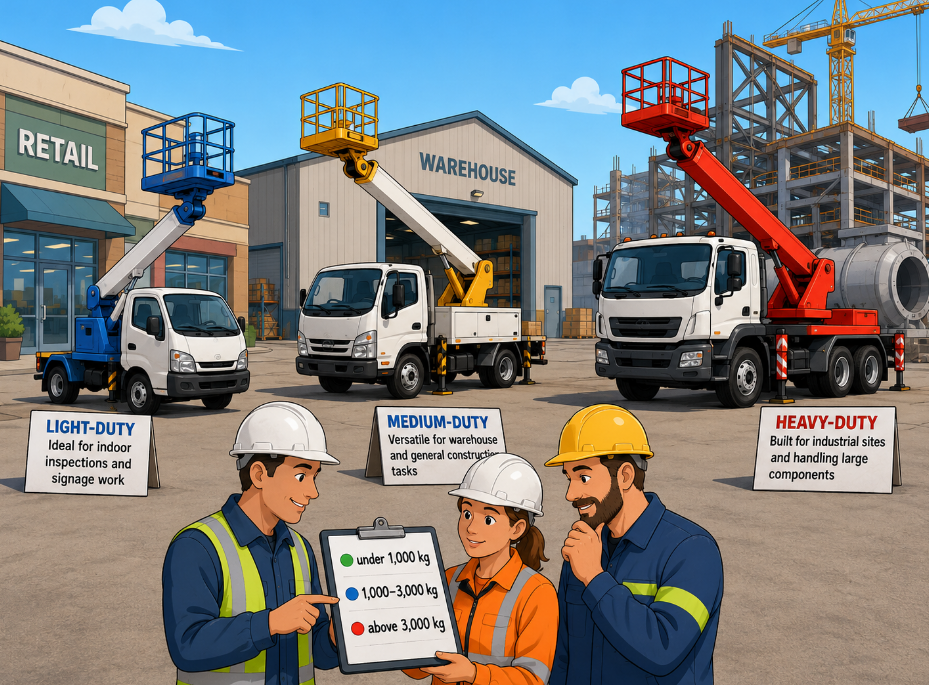
Medium-Duty Class (1,000–3,000 kg)
Medium-duty aerial platform truck units sit in the sweet spot for general purpose work across distribution centers, manufacturing facilities, and busy warehouse operations. Capacity grows, but agility remains practical.
Performance snapshot:
| Load Range (kg) | Common Sites | Power Type | Typical Use Case |
|---|---|---|---|
| 1,000–1,500 | Small industrial yards | Electric | Equipment setup |
| 1,500–2,500 | Industrial use floors | Hybrid | Moderate loads transfer |
| 2,500–3,000 | Regional hubs | Diesel | Palletized materials |
Operational flow often looks like this:
With powered options and support for moderate loads, this aerial platform truck class works well for contractors who rotate between sites. Aerialplatformtruck frequently supplies this category because it balances strength and daily usability.
Heavy-Duty Class (Above 3,000 kg)
Heavy-duty aerial platform truck systems handle industrial applications where heavy machinery, large components, and site demands push equipment to the limit. You’ll see them on construction sites, in manufacturing plants, and during specialized transport jobs.
Core structure includes:
“Global infrastructure expansion continues to drive demand for high-capacity lifting vehicles, especially in heavy industrial and construction environments,” noted a 2025 analysis from MarketsandMarkets highlighting growth in heavy lifting equipment sectors.
When payloads exceed 3,000 kg, compromise isn’t an option. A properly matched aerial platform truck from Aerialplatformtruck ensures high capacity handling with robust construction that stands up to long shifts and hard terrain. For crews moving serious weight, this truck-mounted aerial platform class delivers the muscle needed to get it done safely.
Why Invest In Truck-Mounted Aerial Platforms?
An aerial platform truck isn’t just a lift on wheels. It’s a smart move for contractors, utilities, and maintenance crews who want reach, speed, and cost control in one setup. When mobility meets elevation, work simply flows better.
Reduce Operational Costs with Mobile Reach
Owning an aerial platform truck tightens up resource management from day one. Instead of hauling separate lifts and transport vehicles, crews rely on one mobile unit that delivers both height and highway readiness.
This cycle strengthens operational efficiency and real cost savings.
At a deeper level, savings stack up:
Aerialplatformtruck models are built for companies that want mobility without financial drag. An aerial lift truck that moves fast and works hard simply keeps budgets in check.
Enhance On-Site Safety and Compliance
Height work comes with risk. A truck-mounted aerial platform reduces exposure by offering secure work platforms, stable outriggers, and responsive controls that support worker safety.
Strong risk management starts before the boom rises:
These steps drive accident prevention and steady regulatory compliance.
“Work-at-height solutions with integrated stabilization systems are seeing increased adoption due to tightening safety enforcement,” noted a 2025 global construction equipment outlook by Deloitte.
An aerial platform truck helps teams meet rules without slowing momentum. That balance—speed with protection—is what keeps crews confident on busy job sites.
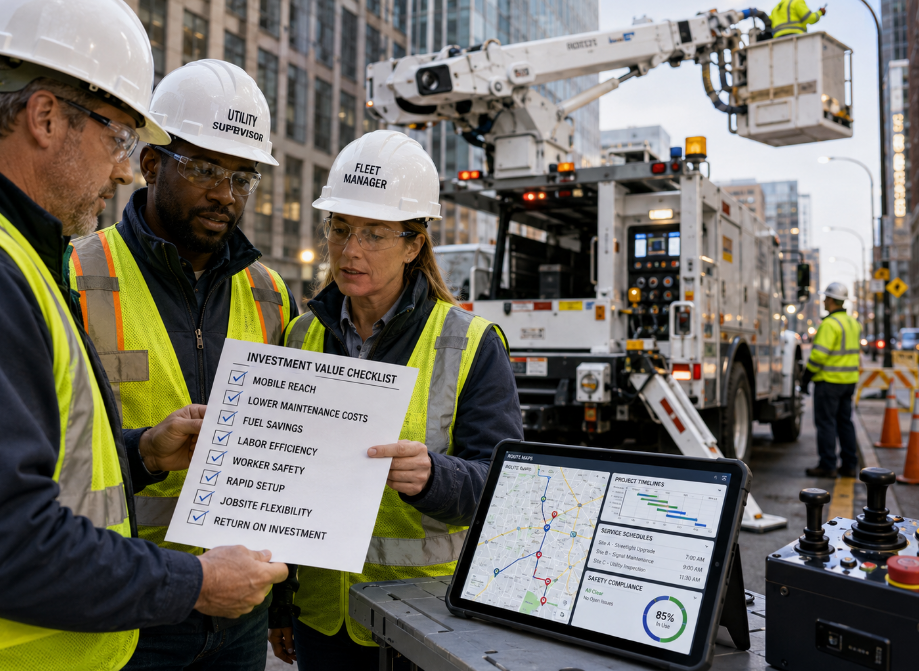
Improve Productivity Through Rapid Deployment
Speed matters when outages, repairs, or installs can’t wait. A well-designed aerial platform truck supports rapid setup and smooth repositioning between tasks.
Quick facts:
Here’s how quick deployment boosts work efficiency:
That rhythm sharpens operational speed and trims project timelines.
Under the surface:
An aerial lift truck keeps teams moving, not waiting. In tight urban grids or spread-out utility routes, that mobility directly fuels higher output.
Boost ROI: Versatility Across Multiple Jobsites
Return isn’t just about purchase price. It’s about how often the equipment works. An aerial platform truck earns its keep through equipment versatility and wide multi-site applications.
Strong asset utilization comes from adaptability:
This mix supports higher return on investment and real job site flexibility.
Aerialplatformtruck units are designed for project adaptability, handling diverse job tasks without constant reconfiguration. One day it’s a maintenance platform truck. The next, it’s supporting infrastructure upgrades. That steady rotation across projects is where ROI stops being theory and starts showing up in the books.