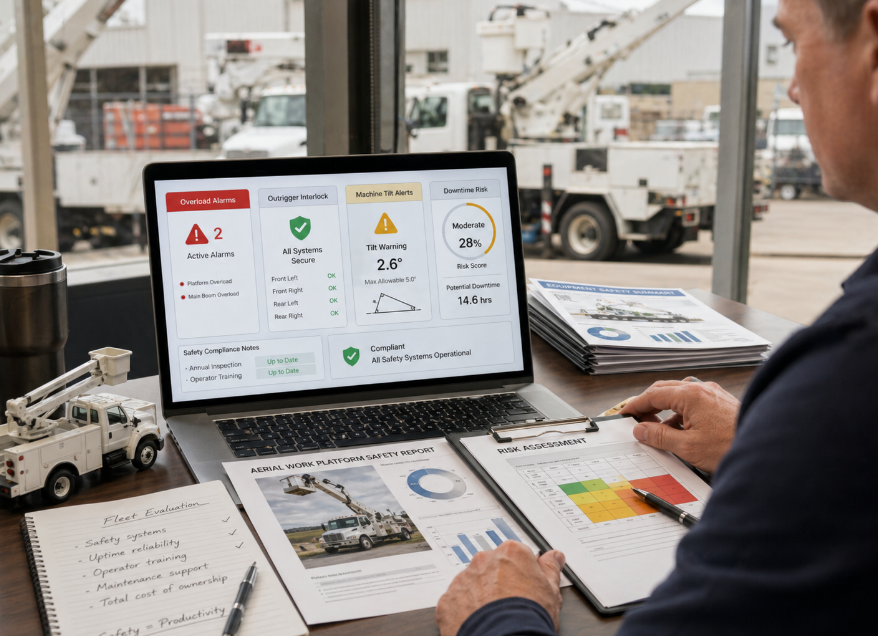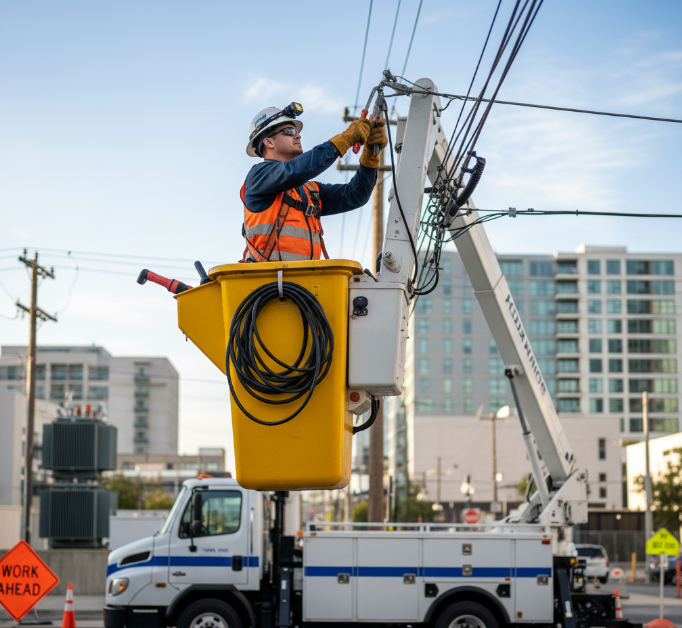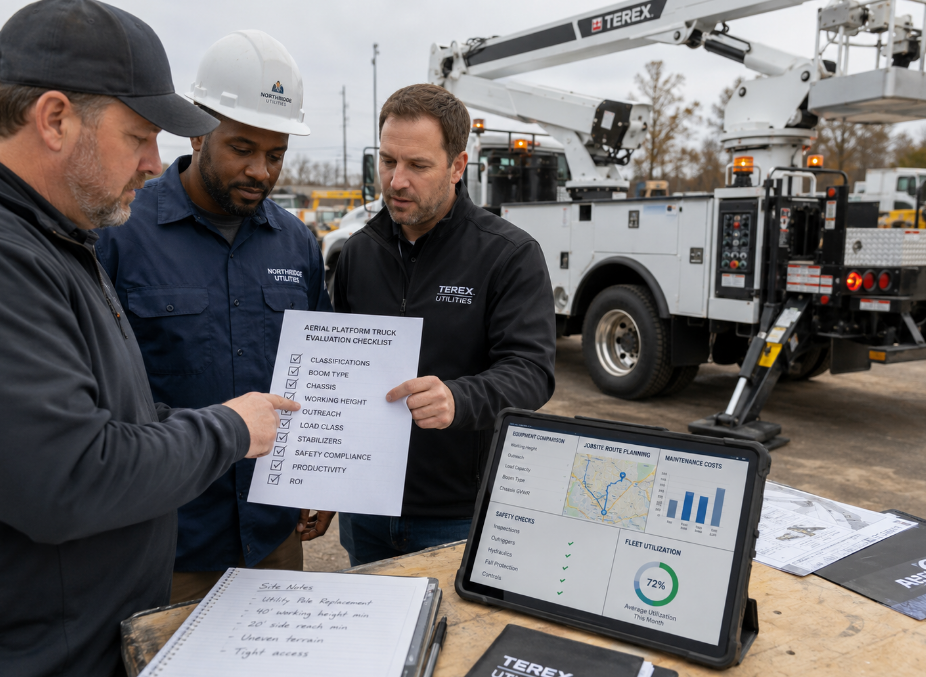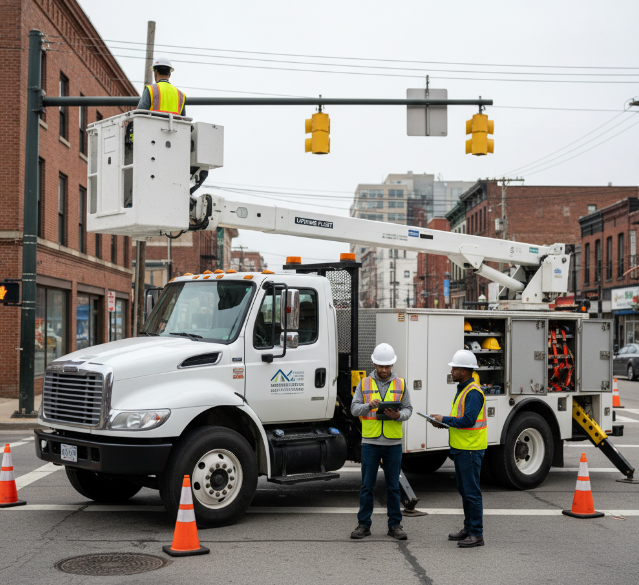
When deadlines wobble and cranes groan, a truck mounted aerial work platform saves the day—speed, safety, and uptime on one mighty chassis.
Cranes groan, schedules slip, and someone’s always yelling about uptime. That’s where a truck mounted aerial work platform rolls in like a Swiss Army knife on wheels—street-legal, quick to set, built to reach. For procurement managers juggling fleets and budgets, this machine isn’t about flash; it’s about shaving hours, keeping crews safe, and moving from site to site without breaking stride.
“Falls remain a leading cause of serious work-related injuries,” notes OSHA. That line hits hard when safety audits land on your desk.
Think of these platforms as the calm, seasoned foreman: steady outriggers, smart controls, fewer headaches. This article pulls back the curtain on why serious buyers lean on them—and why the right manufacturer matters when margins, compliance, and uptime are on the line.
Versatile Outreach for Diverse Worksites
When jobs shift from downtown streets to uneven rural roads, flexibility matters. A truck mounted aerial work platform combines vertical lift and horizontal outreach in one tight package.
Heavy-Duty Truck Chassis Advantage
The backbone of any truck mounted aerial work platform is its heavy-duty truck chassis. Engine power, axle load, and platform capacity all work together.
Rapid Deployment with Minimal Setup Time
That’s it. No drawn-out prep. An aerial lift truck from Aerialplatformtruck can roll in, stabilize, and elevate within minutes. Crews move from pole to pole without drama.
Eco-Friendly Operation: Low Emission Standards
Lower noise. Cleaner exhaust. Smarter power choices.
Why Choose a Truck Mounted Aerial Work Platform?
A truck mounted aerial work platform isn’t just another lift. It’s a smart mix of mobility, height, and muscle. From city grids to open highways, this truck mounted aerial work platform keeps crews moving fast and working safer.
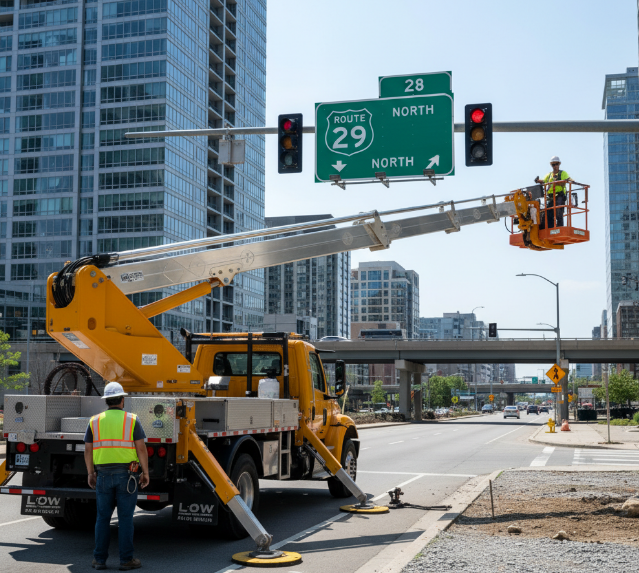
Versatile Outreach for Diverse Worksites
When jobs shift from downtown streets to uneven rural roads, flexibility matters. A truck mounted aerial work platform combines vertical lift and horizontal outreach in one tight package.
Urban access
Narrow work platform truck chassis
Tight turning radius
Stable outrigger system
Highway maintenance
Long horizontal outreach
Wind-resistant boom structure
Elevated working height
Rough terrain
Reinforced truck chassis
Heavy-duty axle configuration
Adaptive suspension system
Short version? One machine, many job sites. Crews don’t waste time swapping gear. The aerial work platform truck handles signage, bridge checks, lighting repair, even telecom installs.
Heavy-Duty Truck Chassis Advantage
The backbone of any truck mounted aerial work platform is its heavy-duty truck chassis. Engine power, axle load, and platform capacity all work together.
| Model Type | Engine Power (kW) | Max Working Height (m) | Platform Capacity (kg) |
|---|---|---|---|
| Standard Duty | 132 | 22 | 250 |
| Mid-Range | 162 | 28 | 300 |
| Heavy-Duty | 191 | 32 | 400 |
Engine displacement affects climb and haul strength.
Suspension system supports stable lift at height.
Platform capacity decides crew size and tool load.
Aerialplatformtruck builds each boom lift truck with balanced load distribution, so operators feel steady even at full extension.
Rapid Deployment with Minimal Setup Time
Speed on site saves cash. Here’s how it plays out:
Engage the power take-off system from the cab.
Deploy the outriggers for quick leveling.
Activate the hydraulic boom controls.
That’s it. No drawn-out prep. An aerial lift truck from Aerialplatformtruck can roll in, stabilize, and elevate within minutes. Crews move from pole to pole without drama.
Eco-Friendly Operation: Low Emission Standards
Lower noise. Cleaner exhaust. Smarter power choices.
Diesel engines meeting modern emission standards
Hybrid drive with reduced fuel burn
Optional electric work platform systems for city zones
The International Energy Agency noted in its 2025 transport outlook that electrified vocational trucks are seeing steady growth as cities tighten low-emission rules.
Aerialplatformtruck answers that shift with electric-ready truck mounted aerial work platform models designed for urban compliance and quieter night operations. Cleaner jobs, same lifting power.
Truck Mounted Aerial Work Platform Components
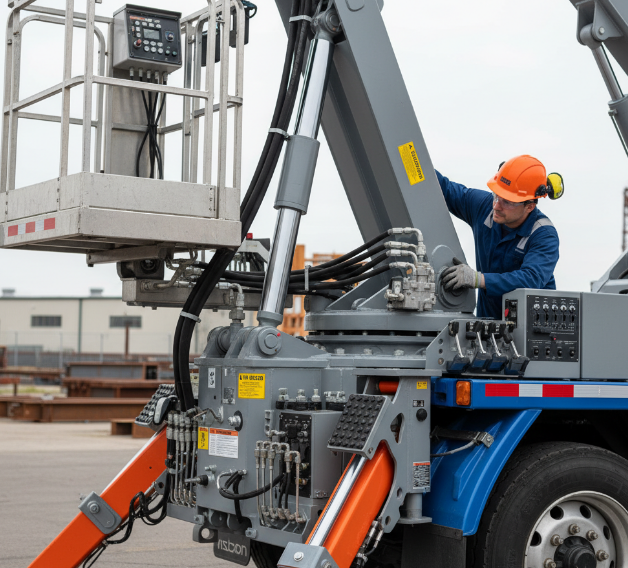
A truck mounted aerial work platform blends mobility and lift performance in one smart setup. From the truck chassis to the mounted boom and elevated aerial work platform, every part works together. Knowing these components keeps your truck mounted lift steady, safe, and ready for real-world jobs.
Telescopic Boom Design and Hydraulic Cylinders
In a truck mounted aerial work platform, the Telescopic boom handles height through sliding Boom sections powered by Hydraulic cylinders. Extension depends on accurate Cylinder stroke, smooth Hydraulic fluid, and tight Cylinder seals.
Key performance data for boom extension in a typical truck mounted lift:
| Boom Extension (m) | Cylinder Stroke (mm) | Working Pressure (MPa) | Rated Load (kg) |
|---|---|---|---|
| 8 | 950 | 18 | 400 |
| 16 | 1850 | 20 | 300 |
| 24 | 2750 | 22 | 200 |
When the operator triggers Boom extension, hydraulic flow pushes outward; during Boom retraction, pressure reverses in a controlled return line. Inside the system:
Main cylinder body
High-pressure hoses
Return manifold
Each part must sync. If fluid overheats, the aerial platform feels sluggish. If seals wear, motion gets jerky. That’s why routine inspection on any truck mounted aerial work platform matters.
Articulating Arm Reach and Rotation Angle
Some truck mounted aerial work platform models add an Articulating arm above the base Upper boom and Lower boom. This setup bends at the Elbow joint, giving extra Horizontal reach without moving the truck.
Lower boom lifts vertically.
Upper boom adjusts outward.
Rotation angle shifts through the Slew bearing.
This combination increases Vertical reach while dodging walls or power lines. In tight streets, a truck mounted aerial work platform with articulation feels more flexible than a straight telescopic-only truck mounted lift.
Short note: smoother rotation reduces stress on the Slew bearing, which keeps long-term wear in check.
Work Basket Capacity and Fall Protection Anchorages
Up top sits the Work basket, the heart of the aerial work platform. Its Platform capacity and Maximum load rating define safe operation.
Inside the basket:
Certified Anchorages for Harness attachment
High Safety rails
Textured Non-slip surface
Emergency stop tied to the ground Control panel
Capacity isn’t just a number. Tools, two technicians, and spare parts add up fast. Overloading affects boom balance on a truck mounted aerial work platform. Keep loads within limits, clip into fall protection, and check anchor points before every lift.
Outrigger System Stability and Load Sensing
The Outrigger system keeps the truck mounted aerial work platform stable before any lift begins.
Deployment usually follows this logic:
Extend Outrigger legs.
Set Stabilizer pads on firm ground.
Activate Hydraulic outriggers or lock Manual outriggers.
Confirm Ground pressure and Load sensing feedback.
Nested safety flow:
Stability control monitors tilt.
Boom motion slows.
Warning alarm activates.
If tilt exceeds preset angle:
The 2025 Global Aerial Platform Safety Review by IPAF notes that improper outrigger setup remains a leading cause of tip-over incidents, despite improved electronic stability systems.
Modern Stability control systems make truck mounted lift operations safer, but solid ground checks still matter. Electronics help, yet common sense wins.
Turntable Rotation Mechanism and Proportional Controls
At the base, the Turntable connects boom to chassis. The Rotation mechanism, powered by a Drive motor and Gearbox, allows continuous slewing on most truck mounted aerial work platform units.
Control happens through:
Joystick control for proportional speed
Central Control panel
Backup Emergency stop
Proportional controls mean slight joystick movement equals slow rotation; push further and speed increases. That smooth response prevents swing shock, protecting both the boom and the truck mounted aerial work platform structure.
When all these components work in sync—from turntable to basket—the truck mounted aerial work platform becomes a reliable aerial lift platform ready for daily site challenges.
3 Reasons to Invest in a Truck Mounted Platform
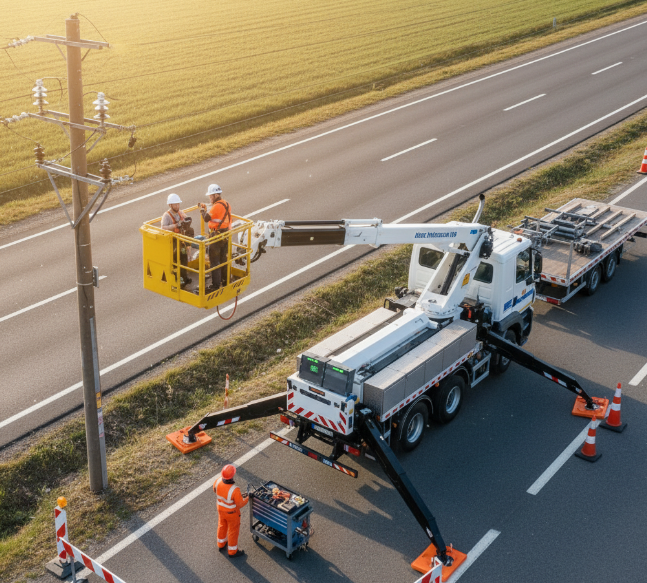
A truck mounted aerial work platform isn’t just gear—it’s a serious upgrade for crews chasing speed, safety, and reach. From city streets to utility lanes, this machine simply gets more done.
Reason 1 – Maximize Efficiency with Quick Setup Time
A truck mounted aerial work platform boosts efficiency where it counts—right at the worksite.
Faster deployment
Hydraulic outriggers extend in under 40 seconds.
Smart leveling adjusts automatically.
Reduced setup time
No trailer alignment.
No separate towing vehicle.
Higher productivity
More stops per shift.
Noticeable time savings across weekly routes.
Truck mounted, aerial work platform, mounted boom—call it what you like, the result is the same: crews roll in, stabilize, lift, and move on. A modern truck mounted aerial work platform can cut transition gaps between tasks by nearly half compared with tow-behind lifts.
For contractors running multiple daily calls, that difference stacks up fast. Less idle engine time. More billable hours. Real gains in productivity.
Reason 2 – Enhanced Safety via Anti-Tilt Mechanism
Safety on a truck mounted aerial work platform depends on layered safety features working together:
Core stability system
Anti-tilt mechanism monitors chassis angle.
Load sensors track basket weight.
Automatic motion lock when limits are reached.
Operator protection
Interlock system prevents unsafe boom movement.
Emergency descent controls support operator safety.
Active risk reduction
Real-time alarms.
Smooth hydraulic dampening for the work platform.
| Parameter | Standard Unit | Typical Value | Safety Impact | Monitoring Type |
|---|---|---|---|---|
| Max Tilt Angle | Degrees | 5° | Prevents rollover | Auto sensor |
| Load Capacity | kg | 200–400 | Avoids overload | Load cell |
| Wind Limit | m/s | 12.5 | Reduces sway risk | Anemometer |
| Outrigger Spread | mm | 3,500–4,800 | Improves stability | Position sensor |
| Rotation Limit | Degrees | 360° | Controlled movement | Encoder |
A truck mounted aerial work platform fitted with these controls doesn’t just meet compliance—it actively guards operational safety.
Reason 3 – Greater Productivity from Superior Horizontal Outreach
Extended horizontal outreach means fewer truck repositionings.
Wider operational range expands the usable work area.
Higher basket rotation improves façade access.
1) Park once.
2) Extend full reach.
3) Complete more tasks before moving.
For telecom and lighting crews, this matters. A quality truck mounted aerial work platform can stretch beyond 18–22 meters laterally, shrinking overall job completion time.
Short story? More ground covered. Less back-and-forth. Solid gains in productivity.
Brands like Aerialplatformtruck design each truck mounted aerial work platform around this balance—speed, safety features, and real working reach. That’s how a smart truck mounted aerial work platform turns daily routes into smoother, safer operations.
Boom vs. Scissor Truck Platforms
Choosing between a boom lift and a scissor lift can feel tricky when planning a truck mounted aerial work platform project. Height, reach, load, and site layout all matter. Let’s break it down in a clear, down-to-earth way.
Boom Platforms
When a truck mounted aerial work platform uses a boom system, the core strength lies in reach and flexibility. Mounted on a work truck chassis, this type of truck aerial work platform handles complex access jobs with ease.
Structural Design
Outriggers
Deploy outward for balance
Improve safety on uneven ground
Articulating boom
Bends at multiple joints
Ideal for obstacles like pipes or steel frames
Telescopic boom
Straight extension design
Maximizes horizontal reach
Boom Types
Stability Components
Performance Metrics
Expands total work envelope
Supports operators plus tools
Higher-end models allow dual-worker loads
Commonly 18–45 meters on a truck mounted aerial work platform
Platform height
Basket capacity
Combined vertical lift and outreach
Application Logic
Building façade repair
Bridge inspection
Power line maintenance
“Global demand for vehicle-mounted aerial devices continues to rise, driven by infrastructure upgrades and utility maintenance,” notes a 2025 update from Mordor Intelligence, highlighting steady growth in truck-mounted lift equipment.
For contractors wanting reach without renting separate cranes, Aerialplatformtruck offers boom-style truck mounted aerial work platform units that balance long outreach with stable truck integration. In tight urban zones, that flexibility is a real game changer.
Scissor Platforms
A scissor configuration on a truck mounted aerial work platform focuses on straight-up lifting power. Instead of outreach, it’s all about stable elevation and larger standing room.
Mechanical Core
Enhances stability
Supports higher lifting capacity
Crisscross steel arms
Direct vertical expansion
Scissor mechanism
Reinforced base frame
Platform Features
Mostly vertical, minimal side reach
Slides outward for added workspace
More room for materials
Wide platform size
Optional deck extension
Defined work envelope
Operational Strengths
Warehouse lighting installation
Indoor facility maintenance
Curtain wall panel fitting
In a truck mounted aerial work platform setup, the scissor version works best when outreach is not required but load strength matters. Aerialplatformtruck integrates heavy-duty hydraulic systems to maintain smooth vertical lift while keeping the truck body balanced.
If your job calls for height plus sideways reach, go boom. If it’s straight-up lifting with extra capacity, scissor wins. Either way, a well-matched truck mounted aerial work platform keeps crews safer, quicker, and far less stressed on site.
What Maintenance Does an Aerial Platform Need?
For any truck mounted aerial work platform, the hydraulic system is the muscle.
A solid chassis frame keeps the truck mounted aerial work platform stable on rough streets.
Modern truck mounted aerial work platform units rely on smart electronics.
Regulations are tightening, and every truck mounted aerial work platform must stay clean and quiet.
What Maintenance Does an Aerial Platform Need?
Keeping a truck mounted aerial work platform in top shape isn’t fancy talk—it’s about uptime, safety, and getting the job done without drama. From hydraulics to emissions, every truck mounted lift needs steady care.
Regular Hydraulic Pump and Fluid Inspections
For any truck mounted aerial work platform, the hydraulic system is the muscle.
Hydraulic Power Core
Verify fluid level
Assess fluid condition (color, odor, contamination)
Check pump operation noise and pressure stability
Inspect seals for early leak detection
Hydraulic pump
Hydraulic fluid
Filtration Control
Schedule filter replacement
Inspect return-line filters for debris
| Inspection Item | Standard Range | Check Interval | Risk if Ignored |
|---|---|---|---|
| Fluid Level | 90–100% tank | Weekly | Cavitation |
| Fluid Temperature (°C) | 40–65 | Daily use | Seal damage |
| Pump Pressure (bar) | Model rated | Monthly | Lift failure |
A truck mounted boom lift from Aerialplatformtruck runs smoother and lifts steadier when this routine becomes habit.
Chassis Frame and Suspension System Servicing
A solid chassis frame keeps the truck mounted aerial work platform stable on rough streets.
Inspect axles, springs, and shocks for uneven wear.
Check frame integrity around weld joints.
Apply regular lubrication to moving suspension points.
Short checks matter. A quick look at mounting bolts. A listen for rattles. A road test at safe travel speed. Small steps prevent big repair bills and keep your aerial lift truck steady on site.
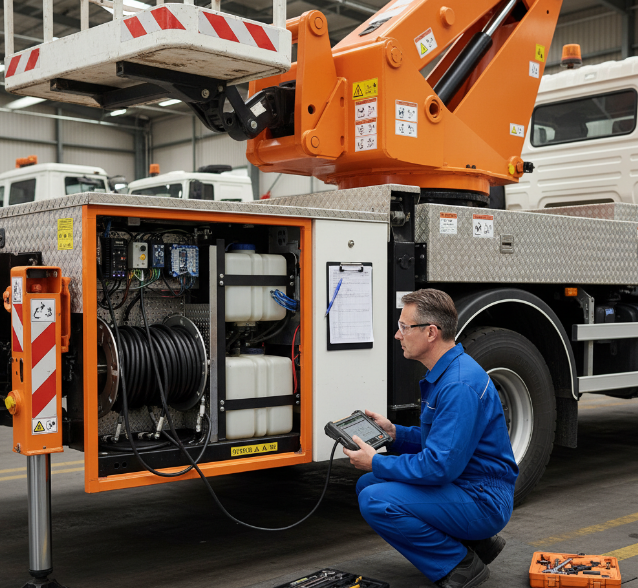
Control Systems Diagnostics via CAN Bus Interface
Modern truck mounted aerial work platform units rely on smart electronics.
Core Electronics
Run fault-code scans
Confirm firmware compatibility
Validate response time of joysticks
Inspect proportional output signals
Control systems
ECU
Data & Wiring
Check insulation wear
Secure loose connectors
Monitor live sensor data
Detect communication loss
CAN bus
Wiring harness
Software Layer
Perform scheduled software updates
Test safety interlock logic
Aerialplatformtruck integrates clear diagnostic ports, making troubleshooting faster and less stressful.
Emission and Noise Level Compliance Checks
Regulations are tightening, and every truck mounted aerial work platform must stay clean and quiet.
Emission Control System
Inspect exhaust system for cracks
Clean or replace particulate filter
Monitor engine performance data
Noise Management
Measure noise levels at rated RPM
Check sound dampening panels
Compliance Review
Compare results with regulatory standards
Log service data for audit trails
With Aerialplatformtruck, meeting emission control rules doesn’t feel like a headache—it feels like smart business.
FAQ
What makes a truck mounted aerial work platform effective across multiple job sites?
A truck mounted aerial work platform combines mobility with reach. Built on a heavy-duty truck with a reinforced chassis frame, it can move quickly between job sites while maintaining strong wind resistance and reliable terrain adaptability.
At height, performance comes from high working height, extended horizontal outreach, and the flexibility of a telescopic boom or articulating arm.
Stability and efficiency are supported by the outrigger system, active stability control, and a power take-off that reduces overall setup time. This makes the machine especially practical for lighting repair, façade cleaning, and utility line work.
How does the truck chassis influence lifting capacity and stability?
The chassis serves as the machine’s structural foundation. A well-matched axle configuration, tuned suspension system, and suitable engine displacement help support greater platform capacity while preserving balance.
Mechanically, the diesel engine or hybrid power unit drives the hydraulic pump, which powers the hydraulic cylinders that lift the boom.
During operation, weight is distributed through the frame and outriggers to reduce stress concentration. When the base is properly engineered, the platform remains stable even at a wide rotation angle.
Which safety systems protect operators at full elevation?
Operator protection relies on multiple systems working together. The anti-tilt mechanism and real-time load sensing continuously monitor balance as the boom extends.
If operating limits are approached, the interlock system restricts unsafe movement to help prevent instability.
Inside the work basket, safety features usually include certified fall protection anchorages, accessible emergency stop controls, and smooth proportional controls that reduce sudden motion at maximum working height.
What maintenance and environmental factors should owners monitor?
Reliable long-term performance depends on routine inspection of hydraulic cylinders, fluid levels, and the CAN bus system through the built-in diagnostic interface at the operator console.
Owners should also pay attention to emission standards, noise levels, operating temperature range, and wind resistance, since these factors affect compliance, jobsite suitability, and safe outreach limits.
In cold or hot conditions, proper monitoring also helps protect components such as the battery pack or electric motor. Consistent maintenance reduces downtime and keeps lifting performance predictable.