When budgets rise but lifts must soar, the wise buyer goes big—choose an aerial work platform truck built to defy gravity and dull profits.
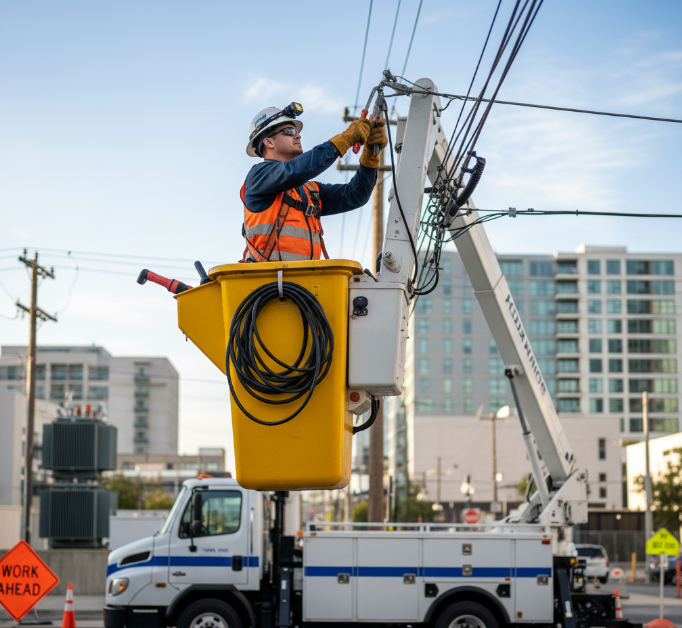
Choosing the wrong lift can drain budgets fast, and an aerial work platform truck isn’t the same beast as a basic vertical unit.
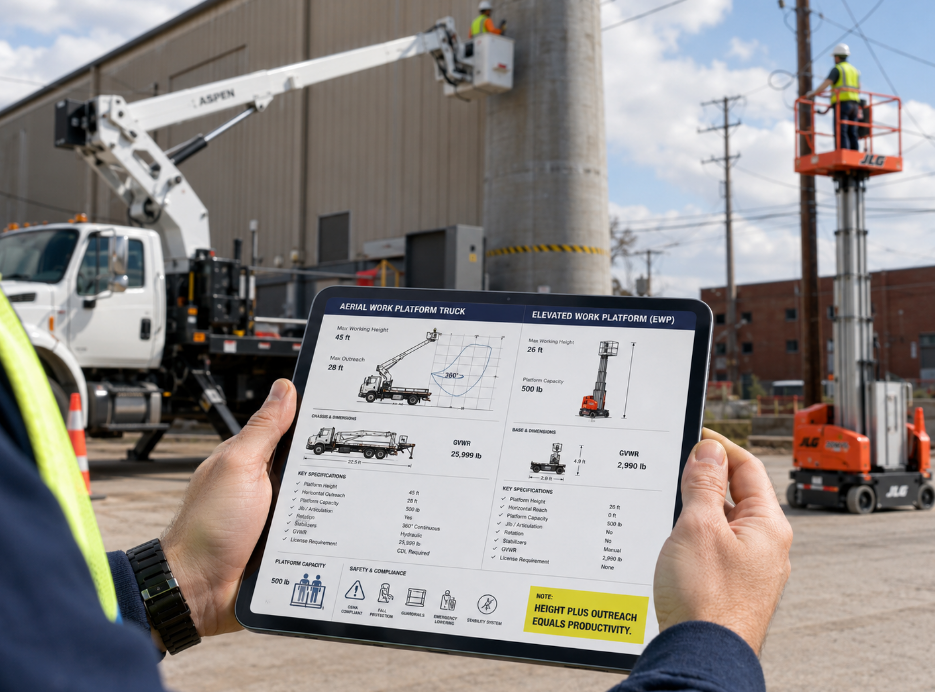
One reaches up and out around obstacles; the other just goes straight up and down. Plain and simple.
Recent industry outlooks from IBISWorld and Global Market Insights show sustained demand for aerial access equipment across construction and utilities.
Key Points for Aerial Work Platform Truck
Chassis & Mobility
Select chassis type, axle configuration, wheelbase, and GVWR to optimize traction, stability, and maneuverability.
Reach & Performance
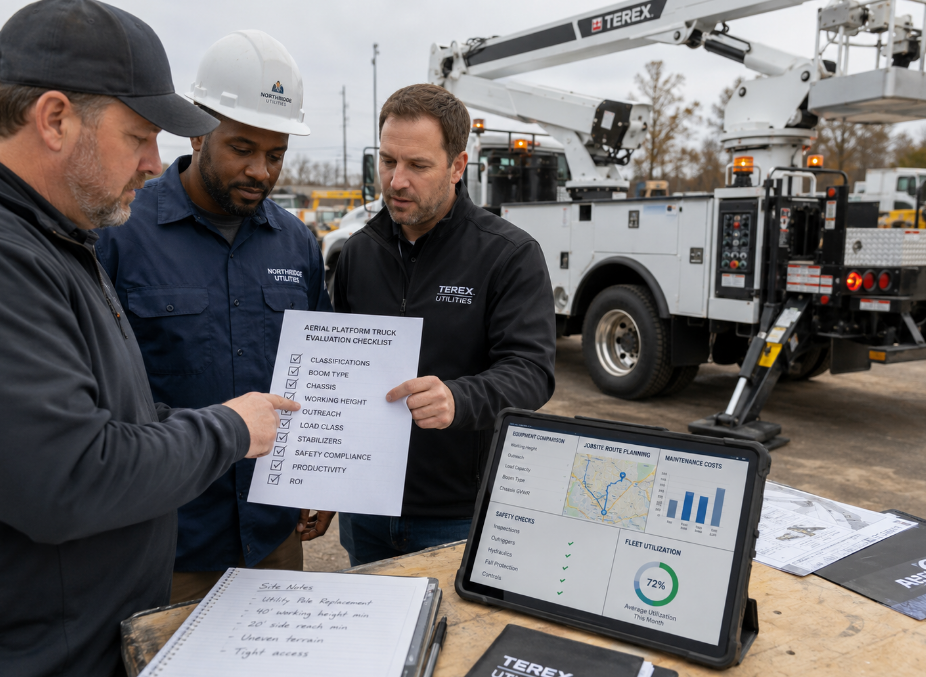
Evaluate maximum working height, horizontal outreach, platform capacity, and boom articulation for efficient access.
Safety Systems
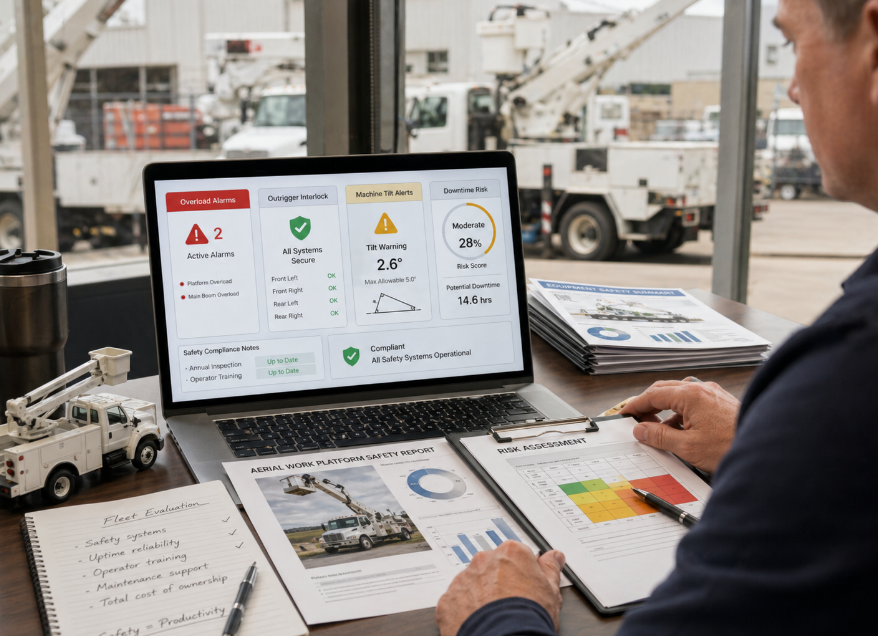
Rely on stability management systems, overload sensing, interlocks, and anti-collision sensors to minimize tip-over and fall risks.
Support & Compliance
Ensure robust field service networks, parts availability, and ANSI A92.2/EN280 certification for uptime and regulatory adherence.
Question-Based
Modern job sites move fast, and picking the right aerial work platform truck is not just about height. Chassis, axle, and smart stability system choices shape safety, reach, and daily performance.
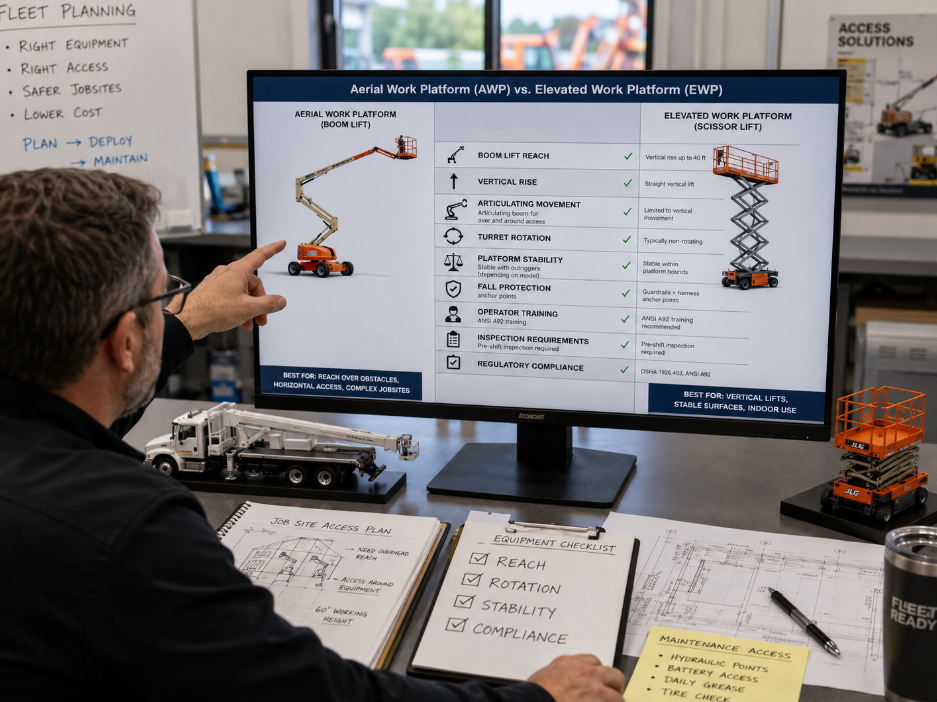
How do chassis type and axle configuration affect platform mobility?
When choosing an aerial work platform truck, mobility starts at the ground level—with the chassis and axle configuration defining how the vehicle base behaves under load.
Chassis Design and Load Behavior
1.1 Heavy-duty chassis
1.2 Compact urban chassis
1.3 Reinforced frame rails
Better weight transfer across the axle
Shorter wheelbase
Tighter turning radius for city maintenance
Built for higher GVWR
Improves platform balance on uneven roads
Axle Configuration and Traction
2.1 Single rear axle
2.2 Tandem axle configuration
2.3 Driven front axle options
Enhanced traction on rough ground
Higher load distribution
Greater stability for a fully extended aerial work platform truck
Lighter jobs
Faster repositioning
For contractors running an aerial work platform truck daily, this mix directly impacts mobility, tire wear, and operator confidence. A well-matched vehicle base keeps the truck steady without feeling bulky. Brands like Aerialplatformtruck tune their chassis-axle balance so the machine feels planted but still agile on tight sites.
Why is maximum working height critical for truck-mounted boom lifts?
In any aerial work platform truck, working height defines the real job scope.
Reach and Elevation Requirements
1.1 Bridge inspection
1.2 Utility line servicing
1.3 Building facade cleaning
Stable elevation at full extension
Vertical and side reach matter equally
Requires extended boom lift articulation
Operational Efficiency
2.1 Fewer reposition cycles
2.2 Reduced traffic disruption
2.3 Lower fuel use per application
Safety and Access Control
3.1 Proper overhead clearance
3.2 Reduced overextension risk
3.3 Stable access angle
A higher working height on a truck-mounted lift means crews spend more time working and less time moving the work platform truck. Aerialplatformtruck designs its boom lift geometry to maximize safe access without pushing structural limits.
Can stability management systems reduce fall risks on elevated platforms?
On an aerial work platform truck, safety depends heavily on the stability system built into the elevated platform.
Core Monitoring Components
1.1 Tilt sensor
1.2 Load sensor
1.3 Wind input integration
Flags unsafe operating conditions
Monitors basket weight
Detects unsafe chassis angles
Automatic Protective Actions
2.1 Movement restriction when limits exceed
2.2 Boom slow-down near rated capacity
2.3 Outrigger position verification
Operator Support and Control
3.1 Dashboard alerts
3.2 Interlock override protection
3.3 Real-time control feedback
A properly calibrated stability system reduces fall risk and tip-over events by keeping the outrigger stance and load within safe margins. For crews relying on an aerial work platform truck, that layer of electronic protection feels like a quiet partner in the background—steady, alert, and ready.
Comparative
When choosing an aerial work platform truck, small details make a big difference. From reach and rotation to safety rules and training, this comparison keeps it simple, practical, and straight to the point for real jobsite decisions.
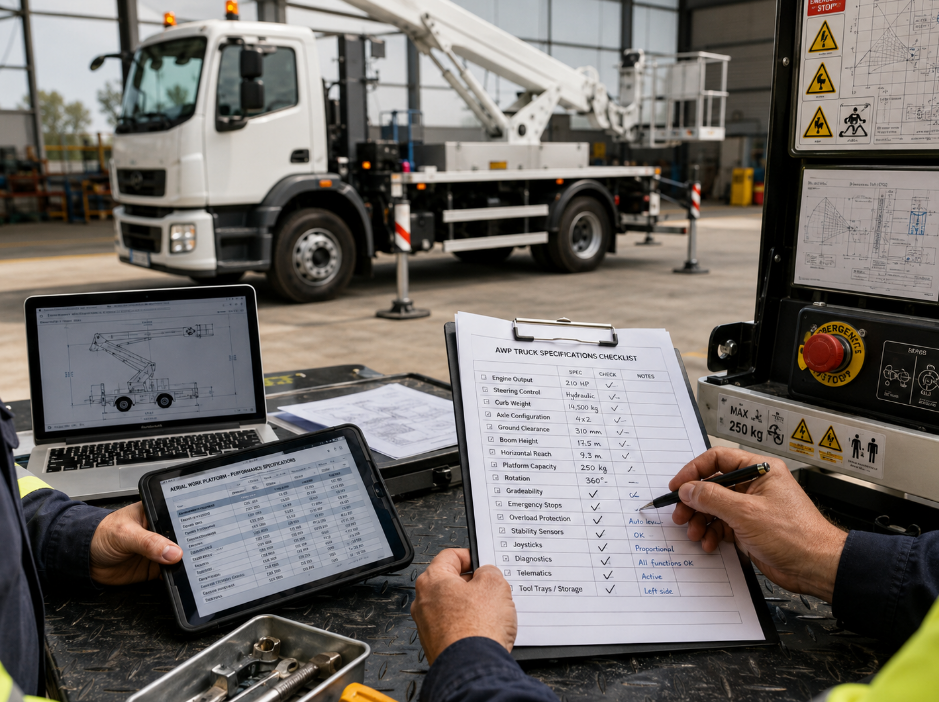
Aerial Work Platform
An aerial work platform truck focuses on access flexibility and multi-angle reach. It’s built for crews who need height plus movement.
Core Equipment Types
1.1 Boom lift systems
1.2 Scissor lift configurations
1.3 Personnel lift options
Compact for maintenance corridors
Quick deployment on a mobile platform
Stable vertical rise
Ideal for flat work height access
Telescopic reach for long horizontal extension
Articulating joints for tight urban builds
Functional Capabilities
2.1 Articulation & Reach
2.2 Rotation & Positioning
2.3 Jobsite Mobility
Mounted as a truck lift
Classified under heavy-duty construction equipment
Turret rotation for full-span coverage
Precise alignment over restricted work height zones
Multi-joint articulating boom movement
Sideways outreach beyond obstacles
Application Scenarios
3.1 Building façade installation
3.2 Bridge inspection
3.3 Complex maintenance access
Contractors using an aerial work truck often prefer the versatility of an aerial work platform truck when obstacles block direct vertical paths. Aerialplatformtruck models are known for stable rotation and smooth boom control, making each aerial work platform truck feel steady even at full extension.
Elevated Work Platform
An aerial work platform truck in elevated configuration leans toward controlled vertical lifting and strict compliance standards. It’s less about reach-around motion and more about clean upward elevation.
Strong platform stability for indoor floors
Clear work area boundaries
Enhanced fall protection systems
Operational Priorities
1) Vertical elevation accuracy
2) Load balance monitoring
3) Emergency descent readiness
For warehouse teams and facility managers, an aerial lift truck with elevated focus supports:
Certified operator training programs
Ongoing inspection requirements
Alignment with updated safety standards
Local and international regulatory compliance
In controlled environments, the aerial work platform truck behaves predictably—steady lift, minimal sway, tight control. Many fleet buyers choose Aerialplatformtruck because the brand integrates compliance-ready documentation and simplified service checks into every aerial work platform truck design.
If your daily grind is straight-up vertical work, the elevated work platform style of aerial work platform truck keeps things clean and safe. If access angles matter more, the broader aerial work truck configuration wins. Either way, the right aerial work platform truck keeps crews productive without the drama.
Bulleted
Choosing the right aerial work platform truck isn’t just about height. It’s about balance, safety, and getting real work done without drama. Let’s break down what truly matters when picking an aerial work platform truck for daily jobs.
3 Vehicle Chassis Specifications to Consider
A solid aerial work platform truck starts from the ground up.
Power and Control Core
Tight-radius steering improves urban maneuverability
Hydraulic assist reduces operator fatigue
Output affects hill climbing and traction
Higher horsepower improves loaded stability
Engine
Steering
Load and Balance Framework
Dual rear axles enhance stability
Supports heavy platform loads
Proper curb weight supports boom distribution
Impacts braking response
Weight
Axle configuration
Terrain Adaptability
Overall dimensions affect site access
Wheelbase influences balance
Prevents underbody damage
Supports rough-site mobility
Ground clearance
Dimensions
Aerialplatformtruck designs its aerial work platform truck chassis to match real jobsite needs—no guesswork, just smart engineering.
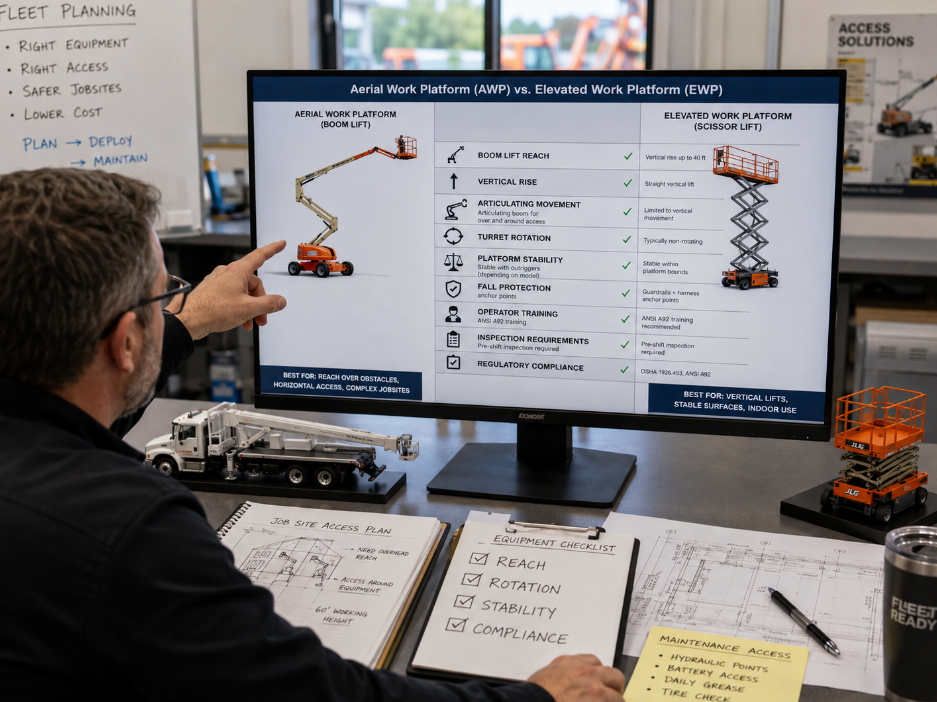
4 Boom Lift Performance Metrics Explained
Boom performance defines how far your aerial work platform truck can really go.
Vertical and Horizontal Envelope
Horizontal reach
Up-and-over clearance
Maximum working height
Platform floor height
Height
Reach
Load Handling Capacity
Hydraulic power
Lift cycle speed
Rated basket capacity
Dual-worker limit
Capacity
Power
Motion Flexibility
Safe climbing gradeability
Multi-joint articulation
Continuous rotation
Rotation
Articulation
Gradeability
| Metric | Standard Range | Jobsite Impact |
|---|---|---|
| Working Height | 18–32 m | Building access range |
| Horizontal Reach | 10–20 m | Obstacle clearance |
| Platform Capacity | 200–400 kg | Crew & tool limit |
| Rotation | 360° continuous | Faster repositioning |
| Travel Speed | 80–100 km/h | Road mobility |
A well-built bucket truck or lift truck should balance reach, capacity, and speed without stressing the boom structure.
5 Safety and Control Systems You Need
Safety isn’t optional. It’s built into every serious aerial work platform truck.
Core protection includes:
Emergency stop buttons at ground and platform
Overload protection to guard rated capacity
Stability sensors that monitor tilt and weight
Smart interlocks that prevent unsafe boom movement
Control confidence comes from:
Responsive joysticks
Real-time diagnostics
Audible alarms
Certified fall protection
Aerialplatformtruck integrates layered safety logic so operators stay focused, not stressed. When the truck-mounted lift senses imbalance, systems react fast—no second guessing.
3 Operational Features That Boost Productivity
An aerial work platform truck should make long days easier.
Quick setup
Automatic outrigger leveling
Fast hydraulic deployment
Improved maneuverability in tight streets
Smarter controls
Intuitive platform controls
Smooth remote operation
Built-in telematics for fleet tracking
Work-ready platform
Integrated power outlets
Secure tool trays
Stable basket alignment for better stability
With Aerialplatformtruck models, operators get an aerial lift truck that’s ready to roll, set, and lift without wasting time. The right aerial work platform truck keeps crews moving, tools powered, and projects on schedule.
Pain-Point Solving
Downtime, red tape, and limited specs can slow any fleet to a crawl. When you’re running an aerial work platform truck, every hour off the road costs real money. Let’s break down how smart planning keeps your aerial work truck moving and stress levels low.
Struggling with downtime? Leverage field service network & parts availability
When an aerial work platform truck stops working, the ripple effect hits fast. The fix isn’t luck. It’s structure.
Downtime control starts with planning
Daily walk-around checks
Fast logging of unusual vibration or lift lag
Clear service intervals for hydraulic systems, boom articulation, and electrical wiring
Scheduled inspections to reduce surprise repair
Preventive maintenance
Operator reporting habits
Strong field service setup
Response-time tracking
Backup units during major repairs
Certified technicians trained on aerial lift truck systems
Mobile vans stocked for on-site support
Local field service teams
Regional service network
Reliable parts availability
Forecast demand
Maintain buffer inventory
Hydraulic seals
Control valves
Platform rotation motors
Critical spare parts list
Supplier coordination
A well-supported aerial work platform truck stays productive. Simple as that.
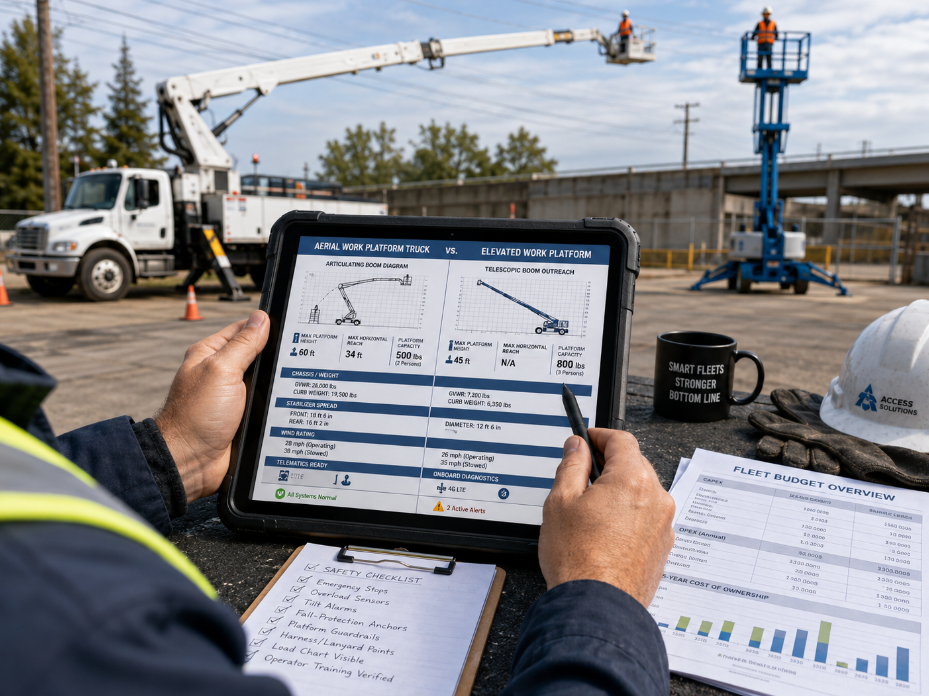
Worried about compliance? Ensure ANSI A92.2 and EN280 certification
Compliance isn’t just paperwork; it protects crews and contracts. For any aerial work platform truck or bucket truck, meeting safety standards is non-negotiable.
Key checkpoints include:
ANSI A92.2 for vehicle-mounted elevating and rotating work platforms
EN280 for mobile elevating work platforms in European markets
CE marking aligned with EU regulations
ISO-certified production tied to material traceability
These certification systems confirm load stability, guardrail strength, emergency lowering, and insulation performance. In many regions, failing legal requirements can mean fines, job shutdowns, or insurance issues.
Quick compliance rhythm:
Confirm model classification.
Match testing documents to local regulations.
Keep inspection records updated.
A compliant aerial work platform truck builds trust with contractors and inspectors alike.
Limited customization? Optimize chassis integration flexibility and custom paint options
Not every job looks the same, and your aerial lift truck shouldn’t either. Smart customization makes the difference between “good enough” and “built for us.”
Chassis integration strategy
Reinforced subframe design
Balanced weight distribution for better road handling
Light-duty truck frames for urban service
Heavy-duty chassis for utility fleets
Vehicle selection
Mounting alignment
Functional flexibility
Smooth interface with boom controls
Stable power delivery
Lockable side compartments
Integrated power outlets
Tool storage modules
Hydraulic and PTO matching
Brand and identity
Durable custom paint systems
Decal-ready surface preparation
Interior trim personalization
With thoughtful design options and real product adaptation, an aerial work platform truck becomes more than equipment. It turns into a purpose-built work partner that fits your crew’s daily grind.
FAQ
Which vehicle chassis specifications most affect aerial work platform truck performance?
A strong lift starts from the ground up. Key vehicle chassis specifications shape how an aerial work platform truck behaves on real job sites.
Power & Drive: engine horsepower supports hill climbing under load, transmission type helps maintain steady hydraulic output, and fuel efficiency matters during long municipal shifts.
Load & Balance: gross vehicle weight rating must match boom and platform weight capacity, axle configuration distributes stress on rough terrain, and wheelbase length influences turning radius in urban streets.
When chassis type and boom structure match correctly, operators feel it immediately—stable, predictable, and confident at height.
Why do maximum working height and outreach matter so much to fleet buyers?
Height defines project access; outreach defines productivity.
Maximum working height determines bridge repair scope and utility line reach, while horizontal outreach reduces truck repositioning on narrow roads.
Platform weight capacity supports tools, materials, and two technicians safely.
Boom articulation and turret rotation allow precise movement around structures, while wind speed rating and insulation rating help protect crews during exposed operations.
For large contractors, a few extra meters can mean fewer setups per day—and real savings over a full season.
What safety and control systems should never be compromised?
Safety systems are the quiet guardians of every aerial work platform truck.
Emergency stop buttons must stay within instant reach, and overload sensing should be tied to automatic interlock mechanisms.
A stability management system should monitor tilt and load shift, while anti-collision sensors help protect crews near obstacles.
Fall protection anchors on the platform and proportional joystick controls support smoother, more human-centered movement.
When hydraulic system pressure, platform leveling system, and auxiliary power unit work in harmony, operators focus on the task—not on fear.
Why are compliance and supplier support critical for long-term fleet value?
Buying the truck is only the beginning. Long-term trust comes from two pillars: quality compliance and supplier support.
Quality & Compliance: ISO certification, ANSI A92.2 compliance, CE marking, EN280 standard conformity, OSHA regulations adherence, emissions certification, and material quality certificates help protect contractors from legal and operational risk.
Supplier Support & Manufacturing Strength: reliable parts availability, field service network, clear warranty coverage, documentation provision, technical training, maintenance schedule recommendations, engineering design capabilities, and strict quality control procedures all support long-term fleet value.
Flexible custom paint options, tool storage integration, and stable production lead times further improve practical ownership value.
Behind every dependable aerial work platform truck stands a manufacturer that answers the phone when it matters most.