Big jobs, tight sites or wide open? Choose the right bucket truck—articulating lift or boom—and stop bleeding time and budget.
Choosing between a telescopic boom and an articulating lift can make or break productivity when jobsites tight or wide open.
Recent IBISWorld and Freedonia reports indicate sustained demand for aerial work platforms, fueled by infrastructure spending and utility maintenance needs.
The call comes down to reach, maneuverability, and long term cost, and that decision shapes every project outcome.
Key Points for Articulating Lift Mastery
Reach & Maneuverability
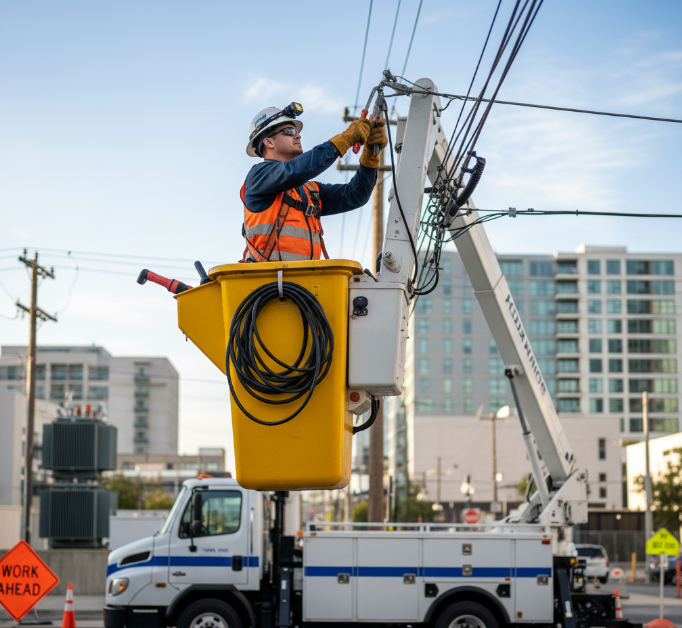
Articulated joints allow precision access in tight urban and utility corridors, ideal for complex workspaces.
Stability & Safety
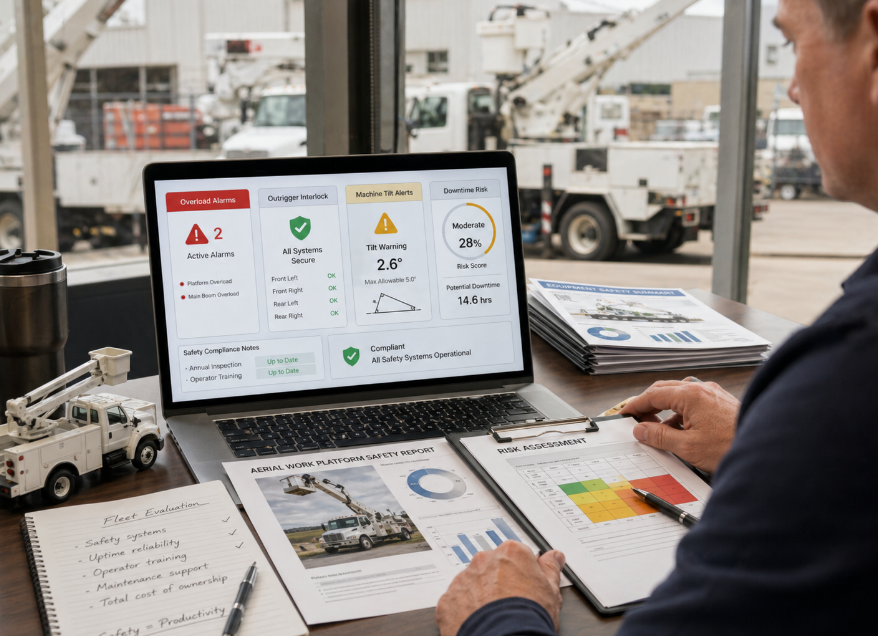
Integrated outriggers, overload sensors, and stability control ensure secure operations on uneven terrain.
Maintenance & Costs
Cylinder calibration and modular components simplify servicing, reducing downtime and total cost of ownership.
Compliance & Deployment
Confirm ANSI/OSHA certifications, electrical insulation ratings, and rapid hydraulic deployment for efficient, regulation-ready performance.
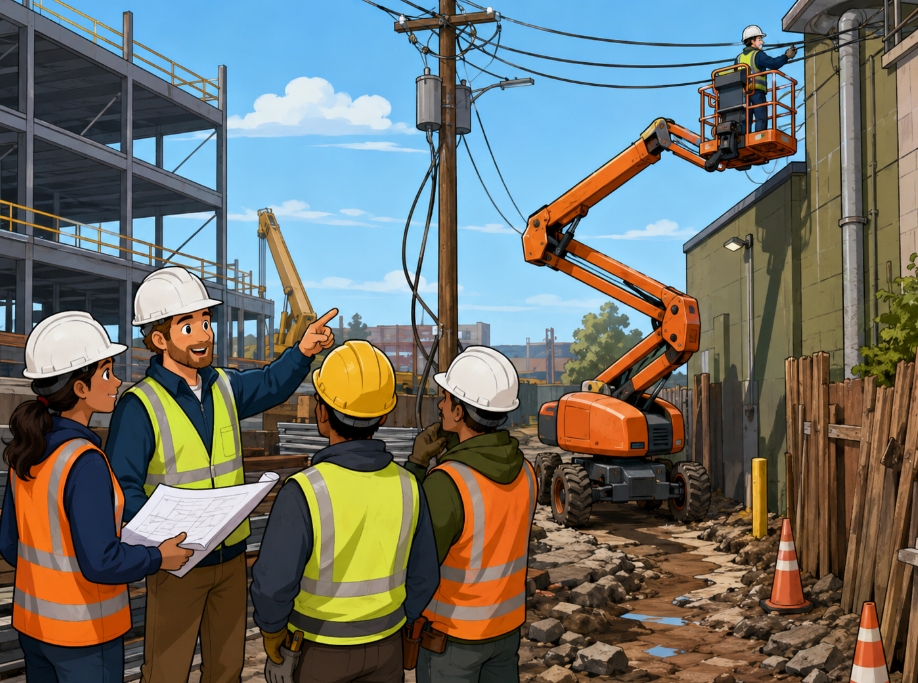
Choosing a boom lift isn’t just gear shopping. It’s about matching real-world work habits with machines that won’t slow you down. This guide keeps it practical, a little street-smart, and focused on how an articulating lift actually behaves on a busy day. Aerialplatformtruck supports crews who want fewer headaches and cleaner access.
Defining Your Operational Requirements
Your job site tells the truth long before a spec sheet does. Tight alleys, uneven soil, overhead lines—all shape the call.
work environment matters: indoor maintenance feels different from open utility runs
access paths decide if an articulating lift bends or stalls
terrain affects tire choice and balance
An articulating boom lift earns its keep when space is awkward. The right articulating lift handles stop-and-go work without fuss. Crews using Aerialplatformtruck units often note faster setup once requirements are nailed.
Assessing Performance Specs: Working Height & Horizontal Reach
Numbers matter, but feel matters more. A lift that barely clears working height on paper may fall short when tools pile up.
platform height and vertical reach should leave breathing room
horizontal reach and outreach decide side access
lift capacity isn’t the same as real weight capacity
A 2024 access equipment outlook from the International Powered Access Federation noted that misuse of outreach limits remains a top cause of job delays.
An articulating lift with smart geometry keeps movement smooth. Aerialplatformtruck models are tuned for steady reach, not twitchy motion.
Verifying Chassis Compatibility and Stability Analysis
This part gets skipped. It shouldn’t.
chassis mounting points must align clean
ground conditions affect footprint and stability
An articulating boom lift feels safe only when the base behaves. The articulating lift should feel planted, not nervous.
Ensuring Safety Features and Regulatory Compliance
Safety isn’t paperwork; it’s habit.
safety features like emergency controls need muscle memory
fall protection works only when worn
load sensors prevent bad calls
Daily rhythm helps:
Strong regulatory compliance with safety standards supports calmer crews. Aerialplatformtruck backs this with clear manuals and solid operator training. An articulating lift that feels predictable keeps focus where it belongs—on the work.
5 Advantages Of Telescopic Vs. Articulating Lift
Picking between a telescopic boom and an articulating lift can feel like shop talk, but it’s really about fit. Jobsites, access paths, and timelines all push the decision. This breakdown keeps it real, mixing field logic with plain language, while showing how both telescopic machines and an articulating lift earn their keep day to day.
Greater Reach with Telescopic Boom Sections
Telescopic machines win points on straight-line access. The Telescopic Boom uses sliding Sections to push clean Extension without bending around corners.
Direct Reach to the Platform
Extra Height with controlled Length
Fewer reposition moves
A simple table from fleet testing highlights the difference:
| Boom Type | Max Reach (m) | Platform Load (kg) |
|---|---|---|
| Telescopic | 22 | 300 |
| Articulating | 17 | 230 |
| Compact Lift | 12 | 200 |
For open sites, even fans of an articulating lift admit the straight shot saves time. Aerialplatformtruck often recommends telescopic units when obstacles are minimal and distance matters most.
Enhanced Maneuverability via Articulated Arm Joints
This is where the Articulated Arm shines. Multiple Joints create real Flexibility, letting the boom snake around pipes, signs, and walls.
Bend, rise, and drop in one motion
Cleaner Access in tight alleys
Smoother Movement near façades
Short hops. Small turns. Precise Articulation. That’s why an articulating lift feels at home downtown, while a straight boom might feel bulky.
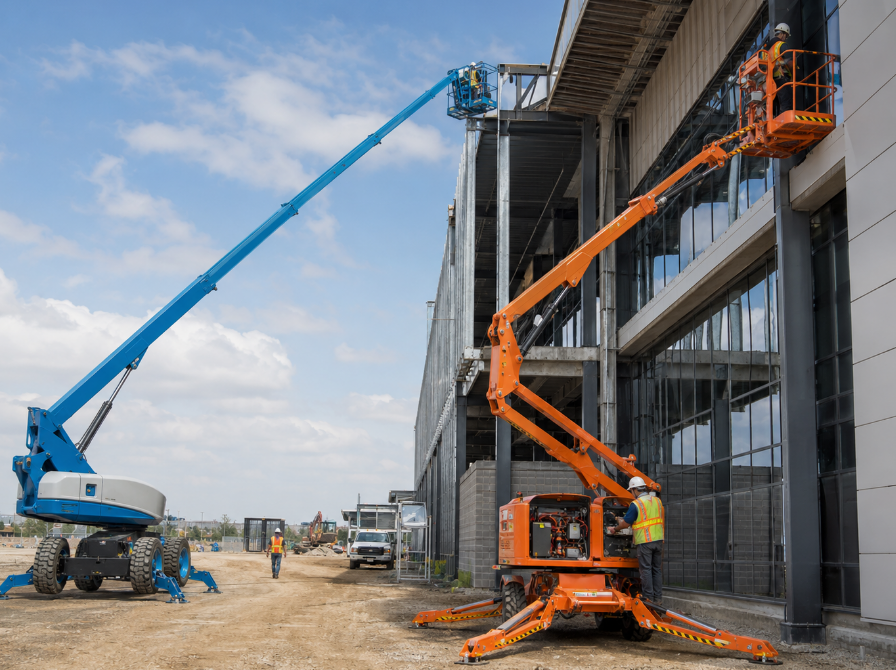
Faster Deployment through Advanced Hydraulic Cylinders
Speed matters when crews rotate fast. High-flow Hydraulic Cylinders drive quicker Deployment with less lag.
The articulating lift benefits here too, especially when multiple joints move together without jerks.
Superior Stability Control in Rough Terrain
Rough ground separates specs from real work. Stability systems juggle Control, Balance, and Safety on uneven Terrain.
Auto-leveling reacts to Ground shifts
Load sensors protect the Platform
An articulating lift keeps footing even when the surface looks sketchy.
Simplified Maintenance Thanks to Modular Components
Maintenance shouldn’t slow a crew. Modular Components mean quicker Repair, cleaner Replacement, and easier Service.
Standardized Parts
Clear access panels
Less downtime, more uptime
Aerialplatformtruck designs with this mindset, knowing both telescopic units and every articulating lift earn loyalty when upkeep stays simple.
Maintenance Costs For Telescopic Vs. Articulated Lift
Maintenance talk can feel dry, but for lift owners it’s real money and real downtime. This breakdown keeps it plainspoken, mixing shop-floor realities with data, so decisions around telescopic and articulating lift equipment feel less like guesswork.
Hydraulic System Servicing vs. Cylinder Calibration
A telescopic lift leans hard on hydraulic fluid, hydraulic pump, and control valves, while an articulating lift depends on tight calibration procedures to keep joints smooth.
hydraulic fluid checks catch fluid contamination early
cylinder seals fail quietly, then suddenly
system pressure drift raises heat and wear
“Hydraulic-related downtime remains one of the top three cost drivers for mobile elevating work platforms,” noted a 2024 IPAF maintenance outlook.
Here’s a quick service-cost snapshot owners often reference:
| Lift Type | Avg Annual Service ($) | Calibration Hours | Failure Incidents |
|---|---|---|---|
| Telescopic | 3,200 | 6 | 4 |
| Articulating lift | 3,600 | 14 | 3 |
| Hybrid boom | 3,450 | 10 | 3 |
| Older fleet | 4,100 | 18 | 6 |
| New fleet | 2,900 | 8 | 2 |
Brands like Aerialplatformtruck often bundle preventive maintenance plans to smooth these spikes.
Boom Section Wear and Fatigue Life Considerations
The boom structure tells the long story. Every extension cycle adds stress, especially around pin connections and weld toes.
Stress builds near stress concentration zones
wear pads mask early damage
fatigue analysis predicts cracks before they show
Over time, structural inspection and weld integrity checks decide true service life. An articulating lift, with constant joint motion, spreads loads differently than a straight telescopic boom.
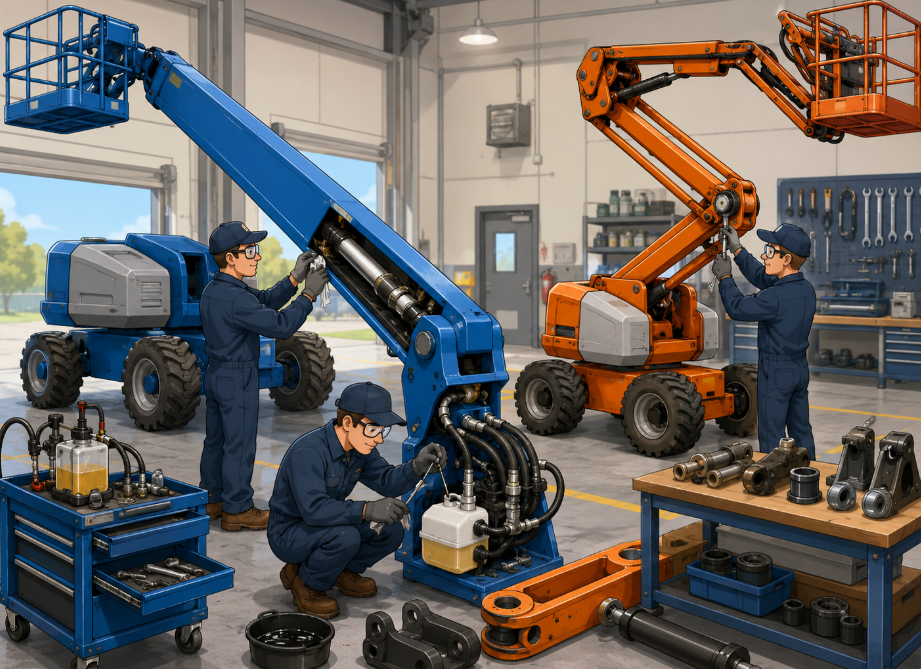
Material Choices’ Impact on Long-Term Maintenance
Material decisions quietly shape budgets.
A telescopic lift built with smarter surface treatment often ages better. The same goes for an articulating lift using mixed alloys. Material strength and real-world durability matter more than spec sheets, something Aerialplatformtruck highlights when advising fleets juggling multiple articulating lift and articulated lift models.
Scenario: Construction Site Access Challenges
Urban jobsites are rarely calm or forgiving. Crews face tight turns, shifting ground, and weather that changes moods fast. This cluster breaks down how modern access gear, including the articulating lift and articulated boom lift setups, keeps work moving without drama. The tone here stays real, a bit street-smart, and focused on what actually helps operators finish the day safely.
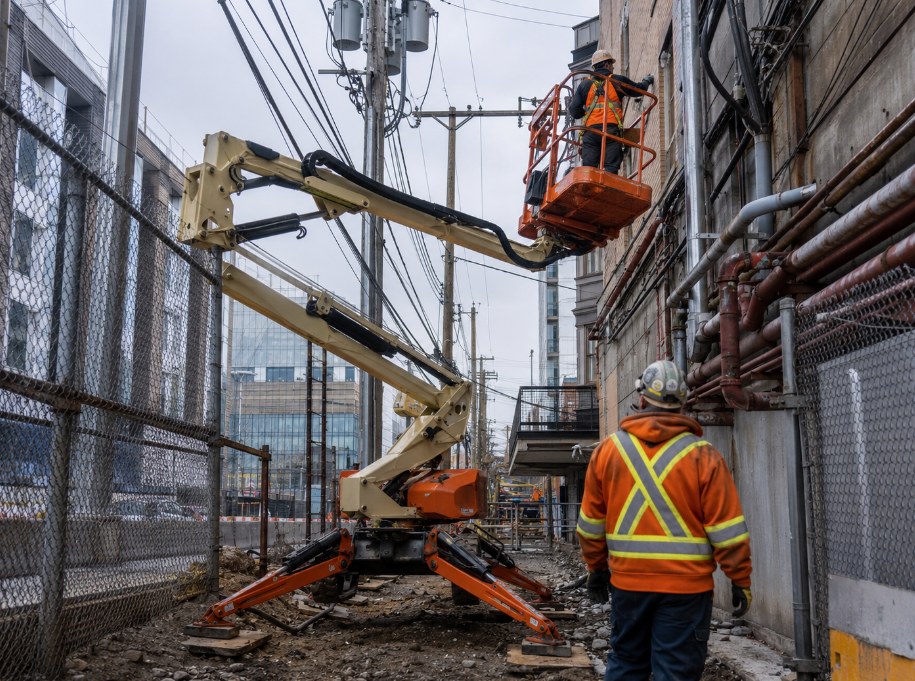
Navigating Tight Urban Utility Corridors
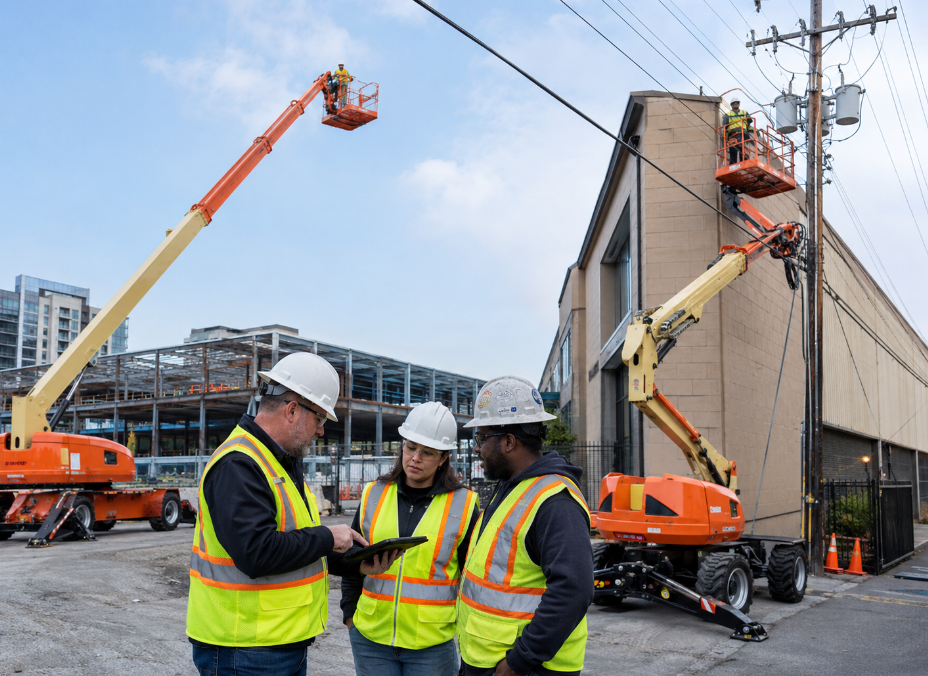
In a dense urban environment, access is a game of inches. A compact boom lift with smart articulation earns its keep fast.
Confined spaces don’t forgive sloppy steering.
Utility lines demand slow hands and steady eyes.
Maneuverability beats raw height every time.
Nested realities crews deal with daily:
Operators often call an articulating lift “the bendy helper,” because the articulating boom lift slides around obstacles where straight lifts stall. Aerialplatformtruck shows up here with chassis footprints that feel made for city backstreets, not wide-open yards.
Managing Uneven Ground with Outriggers and Stability Control
Rough terrain turns small mistakes into big scares. Stability is not optional.
Under the hood, a lot is happening:
| Surface Type | Avg Slope (°) | Pad Load (kN) | Safe Lift Height (m) |
|---|---|---|---|
| Gravel yard | 4 | 38 | 18 |
| Backfilled trench | 6 | 42 | 14 |
| Broken slab | 5 | 40 | 16 |
Aerialplatformtruck rigs lean into this balance, pairing articulating lift geometry with calm, predictable leveling.
Withstanding Harsh Environments: Corrosion Resistance & Wind Rating
Weather doesn’t ask permission. It just shows up with bad intentions.
Protective coatings slow rust.
Tested wind speed limits keep platforms honest.
Material durability decides service life.
Short truths operators trade on site:
Salt air eats bare steel.
Heat messes with hydraulics.
Cold stiffens seals and nerves.
A nested look at survival factors:
“Wind-rated mobile elevating work platforms reduce weather-related incidents by measurable margins when limits are clearly enforced,” noted a 2024 MarketsandMarkets access equipment safety outlook.
That’s why an articulating lift with certified ratings matters. When gusts push back, the lift should already know when to say no.